
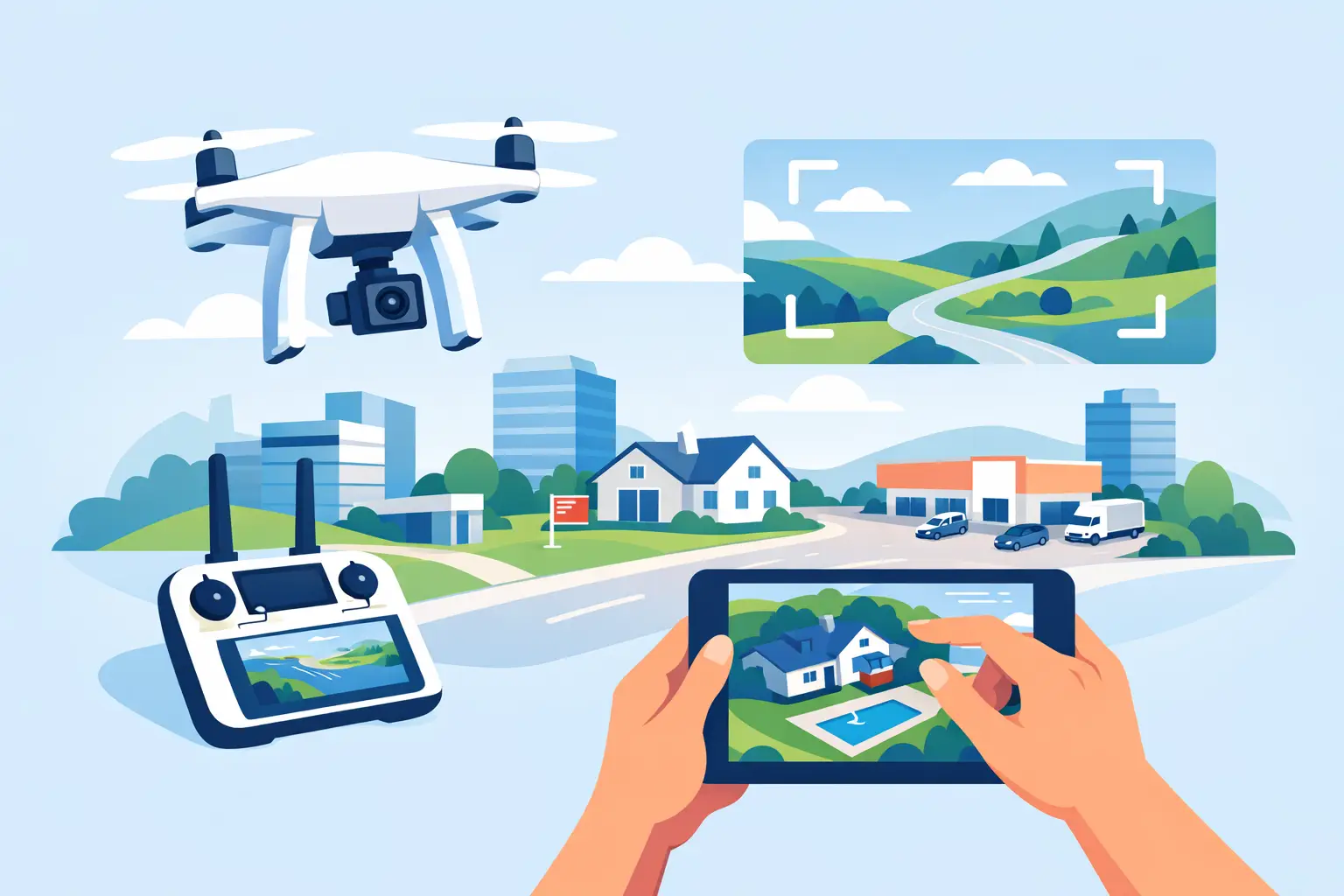
A hotel set against the mountains, a construction site mid-build, a manufacturing facility with acres of active operations – some businesses simply make more sense from above. Aerial photography for business gives decision-makers a way to show context, scale, access, and brand presence in a single frame. When the goal is stronger marketing, clearer storytelling, and imagery that supports real business outcomes, the elevated view can do work that ground-level photography cannot.
The value is not just visual drama. It is strategic clarity. For many organizations, especially those with physical locations, large properties, active job sites, or customer-facing spaces, aerial imagery answers practical questions fast. Where are you located? How large is the operation? What does the environment around your business look like? How does the site connect to the community, the infrastructure, or the customer experience? Those answers matter in marketing, investor materials, recruitment, public relations, and sales presentations.
Why aerial photography for business matters
Businesses often invest heavily in branding, web design, campaigns, and printed materials, then rely on visuals that fail to show the full picture. Interior photos may look polished. Team portraits may feel professional. Product images may be strong. But if your business is defined in part by place, footprint, movement, or environment, aerial photography adds a layer of meaning the rest of the gallery may be missing.
Aerial imagery is especially effective because it compresses a lot of information into a single visual. A commercial property can appear more established when viewers can see its location and accessibility. A hospitality venue feels more desirable when the surrounding landscape is part of the frame. An industrial company gains credibility when operations are shown with order, scale, and precision. That does not mean every business needs drone images on every page. It means the right aerial images can quickly strengthen perception.
This is where brand alignment matters. Aerial work should not feel like a novelty dropped into an otherwise thoughtful visual library. It should match the same standards as your campaign photography, your website visuals, and your brand tone. If the imagery is cinematic but irrelevant, it may attract attention without helping the message. If it is technically clean and strategically chosen, it becomes one of the most useful assets in the entire set.
What aerial imagery can show better than ground photography
Aerial photography is most valuable when it reveals something ground-based images cannot communicate as clearly. For real estate and development, that may be land use, neighboring amenities, road access, and project progress. For industrial and logistics companies, it may be site layout, fleet movement, yard organization, and operational scale. For resorts, restaurants, and venues, it may be the relationship between the property and the surrounding experience.
There is also a trust factor. Customers, partners, and stakeholders often respond well to imagery that feels transparent and specific. Aerial photos can reduce ambiguity. Instead of describing a large campus, a distribution hub, or a destination property, the business can show it. That matters when people are making decisions based on confidence.
At the same time, the best aerial images do more than document. They frame the business in a way that supports the story. Light, season, altitude, angle, and composition all affect how a location is perceived. A wide overhead image can communicate infrastructure and efficiency. A lower, more cinematic perspective can create energy and atmosphere. The right choice depends on what the brand needs the image to do.
Where aerial photography for business delivers results
For many organizations, the strongest use of aerial content is not a single hero shot. It is the flexibility of the asset across multiple channels. Website headers, proposal decks, annual reports, social campaigns, trade show displays, recruitment materials, editorial placements, and digital ads all benefit from imagery that is both impressive and informative.
Construction and industrial brands often see the clearest return because aerial visuals document progress and communicate capability. Aerial coverage can show the complexity of a job site, the pace of development, and the professionalism of operations in a way that is hard to match from the ground. For hospitality and tourism, the return is often emotional. Guests are not only buying a room, meal, or venue. They are buying a setting, an experience, and a sense of place.
Corporate and professional brands can benefit as well, particularly when a headquarters, campus, or flagship location is part of the company identity. Aerial images can also support employer branding by presenting the workplace as active, established, and connected to its environment.
The common thread is usefulness. Strong aerial work should support business goals, not sit in a folder because it looked exciting during production but had no clear role after delivery.
What to plan before commissioning aerial photography
The most successful projects start with the same question that should shape any commercial shoot: what should these images accomplish? That answer influences everything from timing to framing. If the images are meant for a website relaunch, the crop needs may be different than for print ads or investor presentations. If the goal is to show scale, a higher perspective may matter more. If the goal is to make a property feel inviting, atmosphere and time of day become more important.
Location conditions matter more than many clients expect. Weather, season, traffic, site activity, and sunlight direction all change the outcome. Snow may help one industrial site look clean and structured, while it may make a hospitality property feel less marketable depending on the audience. A construction site may need to be photographed during a specific milestone to be useful. A restaurant patio may need peak-season energy to justify the shoot.
Permissions and regulations are another practical consideration. Aerial production is not simply a matter of showing up and flying. Safe operation, legal compliance, and site coordination all need to be handled properly. That is one reason businesses are better served by experienced commercial photographers who understand both airspace requirements and client expectations.
Good aerial photography is not just about owning a drone
The market is full of operators who can capture a bird’s-eye view. That does not automatically make the result commercially effective. A technically acceptable drone photo can still miss the brand story, the strongest angle, or the reason the image is being created in the first place.
Commercial aerial photography requires visual judgment and business understanding. The photographer has to know how to compose for marketing use, how to work within a broader campaign, and how to produce images that sit naturally alongside portraits, lifestyle scenes, architecture, or product work. This is where collaboration becomes the key to creativity. The best results come from understanding the brand story before the aircraft ever leaves the ground.
That is particularly true for companies with layered needs. A manufacturer may need exterior aerials, interior production images, team portraits, and environmental brand photography that all feel connected. A hospitality brand may need sweeping location views, food and drink photography, and lifestyle imagery that create a consistent visual experience. When aerial content is produced as part of a complete brand library, it works harder.
Choosing the right style for your brand
Not every business needs dramatic, high-altitude panoramas. Some need clean, descriptive overheads. Others need warmer, more cinematic angles that place the property within a broader story. A law office in a downtown tower may benefit from a refined contextual image of the building and surrounding district. A rural resort may need expansive environmental imagery that highlights distance, privacy, and landscape. A logistics company may need clarity over mood.
This is where experience matters. The style should fit the audience and the use case. If the image is for a homepage banner, it needs space for copy and a composition that still reads on different screen sizes. If it is for an annual report, detail and clarity may be more important than atmosphere. There is no single best aerial look. There is only the look that best supports the business objective.
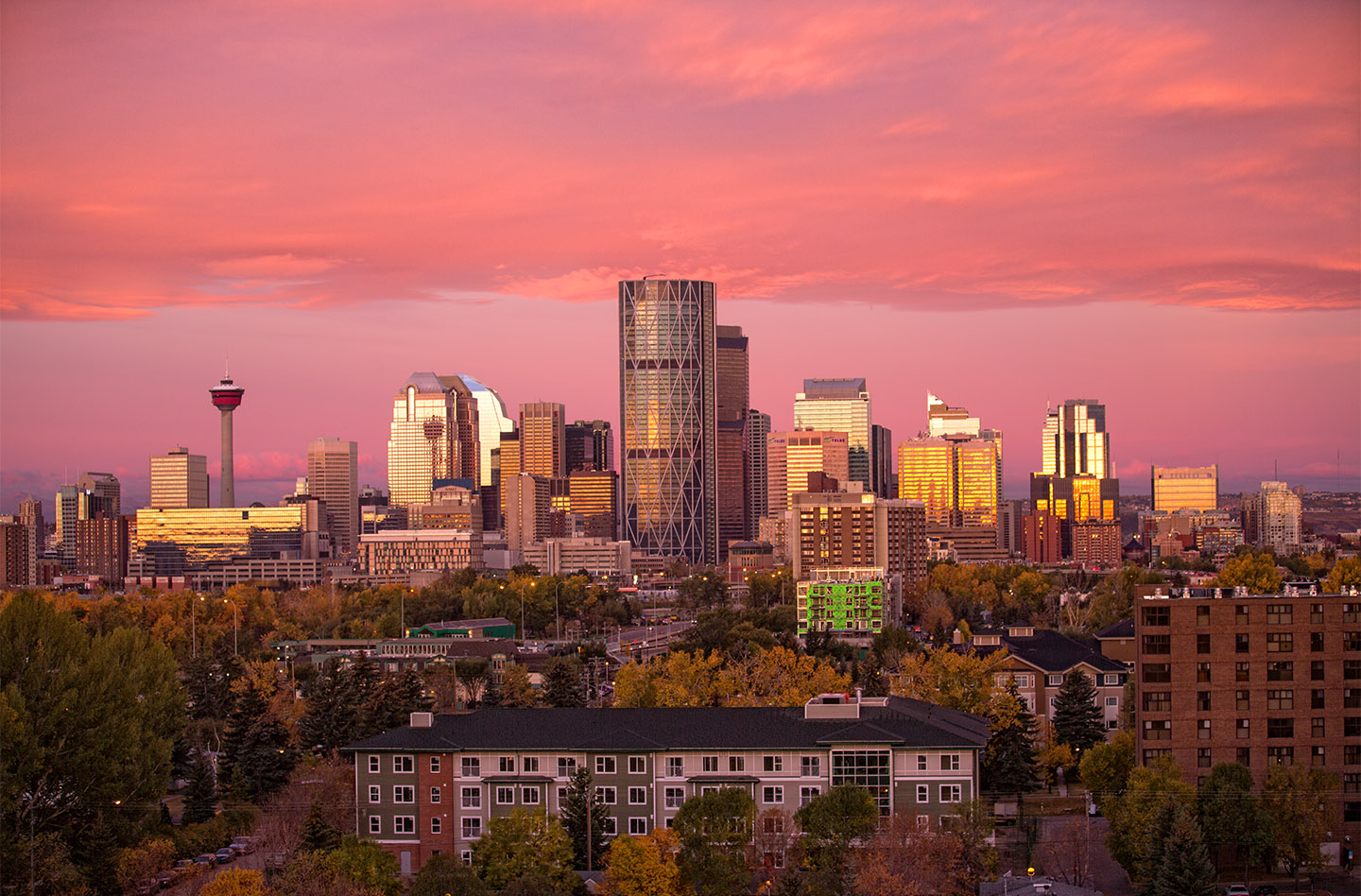
For brands across Calgary and Western Canada, Image Calgary approaches aerial work the same way it approaches every commercial assignment: by building imagery around the client’s story, environment, and market position rather than creating visuals that could belong to anyone.
Aerial photography can be striking, but its real value is precision. It shows where your business operates, how it functions, and why that setting matters to the people you want to reach. When the imagery is planned with intention, it does more than elevate the viewpoint. It strengthens the message.