
A guest may first encounter your restaurant through a delivery app thumbnail, a social post, or a menu image viewed on a phone between meetings. In that moment, food photography is not decoration. It is a direct expression of your quality, point of view, and the experience people can expect when they arrive.
For restaurants, hospitality groups, food producers, and beverage brands, strong imagery has a practical job to do. It needs to create appetite, make choices feel easy, and reinforce the character behind the plate. The most effective images do all three without looking staged, generic, or disconnected from the brand.
Food Photography Is a Business Decision
A beautifully prepared dish can lose its appeal when it is photographed under flat lighting, on the wrong surface, or with styling that does not reflect the restaurant. Conversely, an honest, well-composed image can give a familiar menu item renewed energy. It shows texture, portion, freshness, and care – the details customers use to decide whether an offer feels worth their time and money.
That is why food imagery should be planned as part of a broader brand system. A modern fast-casual concept may need bold color, movement, and close-up texture. A fine-dining restaurant may benefit from a quieter frame, considered negative space, and lighting that draws attention to craft. A food manufacturer may need clean, repeatable product images that perform equally well on packaging, retailer materials, and digital campaigns.
The goal is not to make every dish look identical. It is to make every image feel as though it belongs to the same business.
Start With the Brand Story, Not the Camera
The strongest food photography begins before the first plate is styled. A thoughtful creative conversation defines what the images need to communicate and where they will be used. That planning protects the investment and prevents a shoot from becoming a collection of attractive but disconnected pictures.
Start by identifying the audience. Are you trying to attract office lunch traffic, establish a premium dinner occasion, introduce a new packaged product, or provide sales teams with reliable campaign assets? Each objective changes the visual approach. A campaign targeting families may call for warmth and abundance. A brand serving design-conscious consumers may need a more editorial, minimal look.
It also helps to establish a clear visual vocabulary. Consider the role of color, tabletop materials, props, hands, people, and environment. Decide whether food should be photographed in the kitchen, at the bar, in a dining room, or in a controlled studio setting. These decisions shape the feeling of the final work far more than any single camera setting.
Collaboration is the key to creativity here. Chefs, marketing teams, food stylists, photographers, and agency partners each see different parts of the story. When those perspectives are aligned, the image can honor the food while still serving the commercial purpose behind it.
What Makes Food Look Irresistible on Camera
Appetite is built through visual cues. Steam can suggest freshness. A cut surface can reveal texture. A poured sauce or lifted fork can create movement and make a frame feel immediate. But these elements only work when they support the dish rather than compete with it.
Light is often the deciding factor. Directional, soft light can reveal the crisp edge of fried food, the sheen of a glaze, or the layers in a baked product. Harder light may be appropriate for a brighter, more graphic campaign, especially when the brand has a confident or youthful personality. There is no single correct style. The right choice depends on the food and the message.
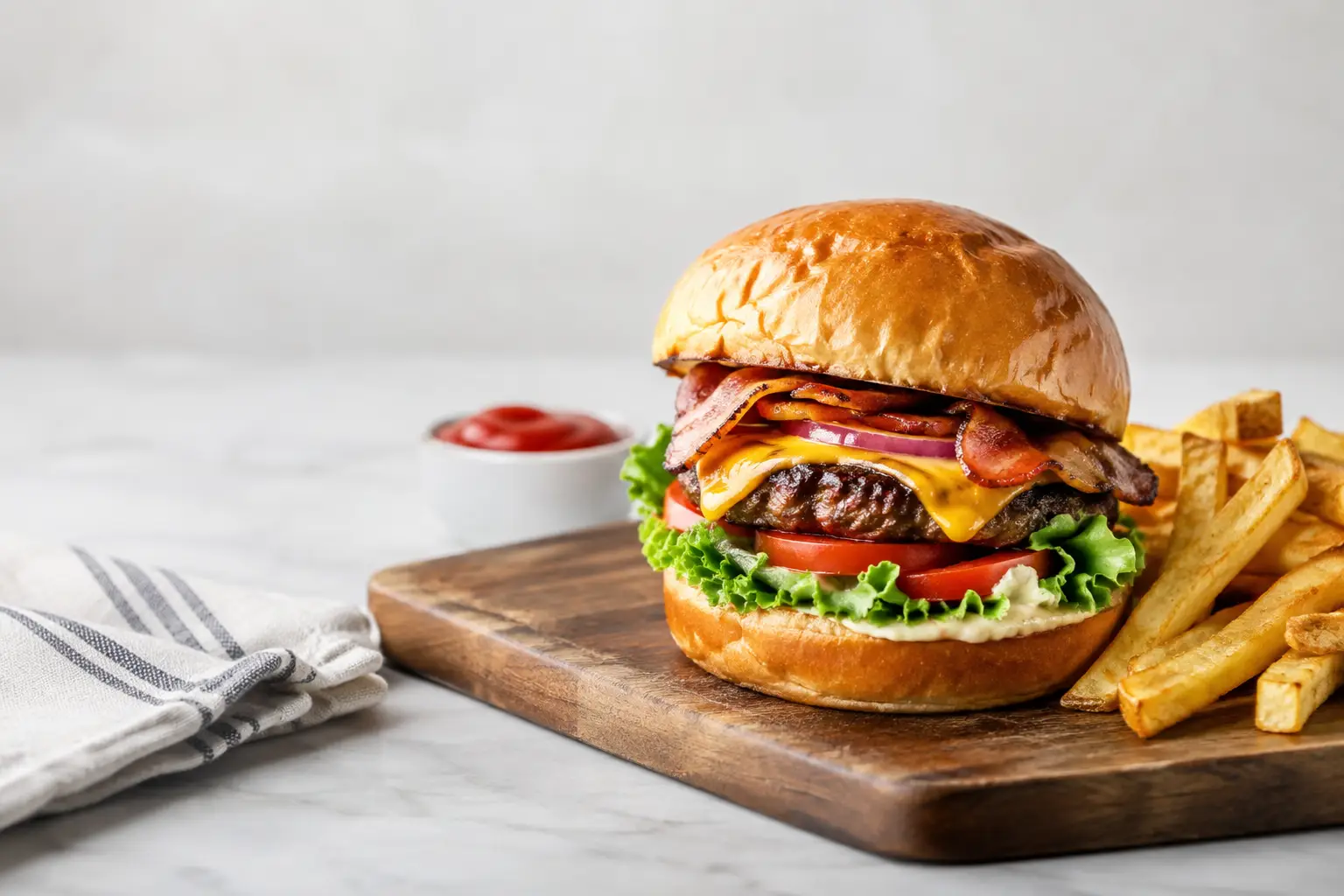
Composition matters just as much. A tight crop can make a burger feel substantial and craveable, while a wider scene may be needed to sell a shared-table experience. Some dishes are naturally expressive from above. Others need a lower angle to show height, layers, or interior detail. A professional team evaluates each item rather than forcing every plate into the same format.
Styling should feel intentional but believable. Overworked garnish, excessive shine, or props that have no connection to the restaurant can weaken trust. Customers should recognize the dish when it reaches the table. The photograph can present it at its best, but it should not promise an experience the operation cannot deliver.
Plan the Shoot Around Real Marketing Needs
A food shoot becomes more valuable when it produces a versatile library rather than a handful of hero images. A single menu launch may require horizontal website banners, vertical social content, delivery-platform images, print-ready advertising, and close crops for email or promotional graphics. Capturing those uses during production is far more efficient than trying to retrofit one image for every format afterward.
Before shoot day, build a prioritized shot list. Include signature dishes, high-margin items, seasonal features, drinks, ingredients, and any people or environmental scenes needed to tell the complete story. Rank each item by business value. If time becomes tight, the images that matter most will already be protected.
Operational planning matters as well. Food has a short window when it looks its best. Kitchen timing, plating consistency, ingredient backups, and a clear approval process all help the day move efficiently. It is wise to prepare multiple versions of dishes that melt, wilt, separate, or lose their finish quickly. Ice cream, fried food, cocktails, and delicate herbs all demand extra attention.
A skilled commercial photographer works with those realities rather than treating them as surprises. The process should leave room for creative discovery while maintaining a pace that respects the kitchen, the staff, and the budget.
Studio or Location: Choose for the Story
Studio photography offers control. Lighting, backgrounds, and composition can be carefully repeated across a large number of products, which is especially useful for packaged goods, recipe content, e-commerce, and national campaigns. It also makes it easier to create a clean visual system that can evolve over time.
On-location photography offers atmosphere. A server placing a dish on the table, a bartender finishing a cocktail, or a chef working over an open flame can communicate a sense of place that cannot be replicated on a plain backdrop. For restaurants and hospitality brands, those environmental details often carry as much brand value as the food itself.
Many campaigns benefit from both. Studio images can provide precision and flexibility, while location imagery gives the brand human energy and context. The right mix depends on how customers encounter the business and what action the images need to inspire.
Common Mistakes That Reduce the Value of Great Food
The most common issue is treating photography as a last-minute task. When a shoot is planned after the menu, campaign, and promotional deadlines are already set, there is less time to style thoughtfully, test concepts, or produce the range of assets the brand needs.
Another mistake is following visual trends without asking whether they fit. Dark, moody imagery can be compelling, but it may obscure a product that needs clarity and color. Highly styled editorial scenes can feel premium, but they may not work for a quick-service brand whose customers want immediacy. Trend awareness is useful. Brand alignment matters more.
Finally, do not underestimate consistency. Mixed lighting, unrelated props, and uneven editing can make even excellent individual photographs feel fragmented across a website or campaign. A defined approach to color, contrast, composition, and styling gives the audience a more confident experience of the brand.
Build Images That Keep Working After Launch
The best food photography earns its place long after a campaign goes live. It can support menu updates, seasonal promotions, media outreach, social storytelling, sales presentations, paid advertising, and recruitment materials. It can also give internal teams a clearer visual standard for how the brand should appear in the market.
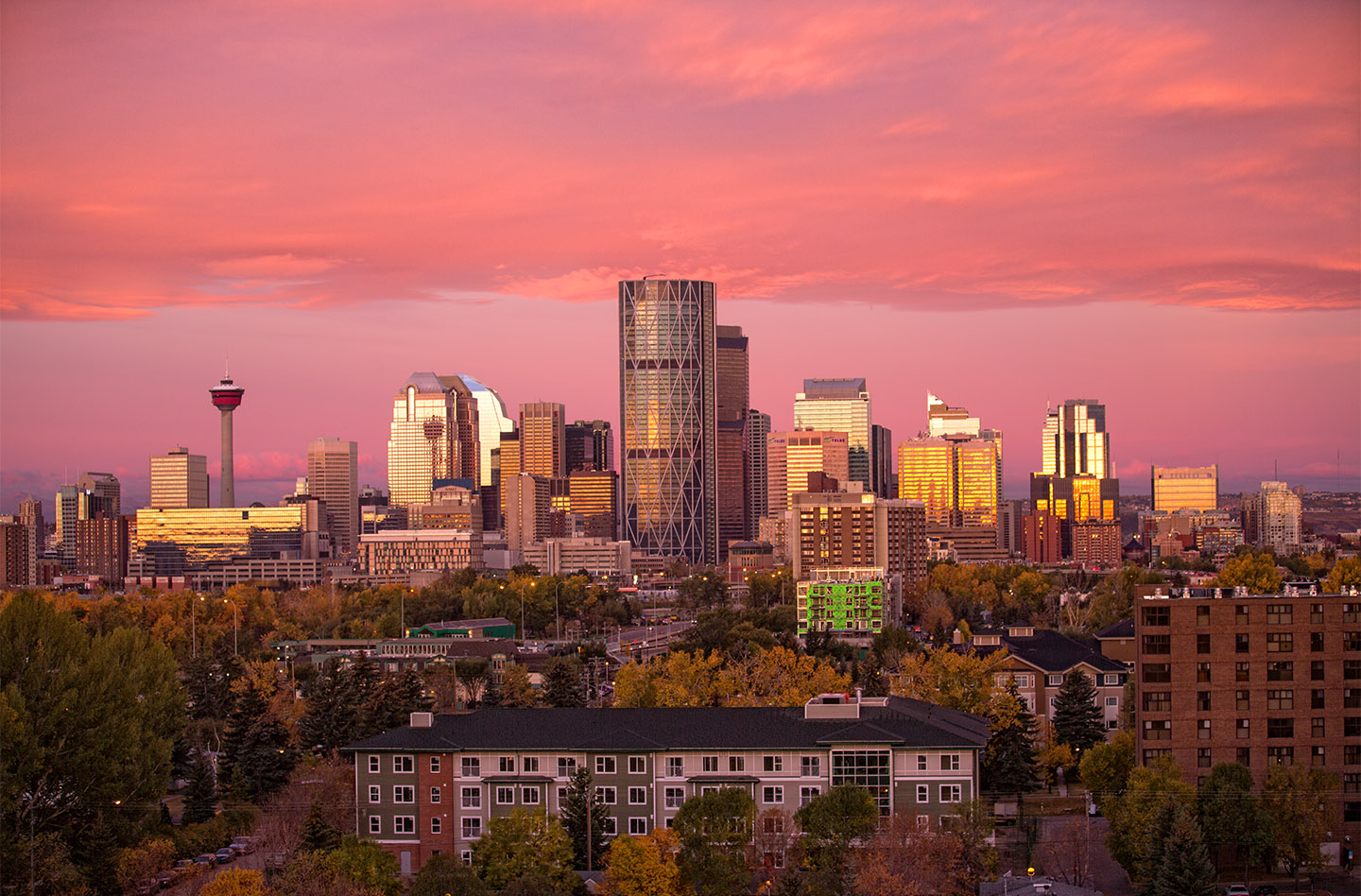
For Image Calgary, the work begins with understanding the story behind the food, the people making it, and the customer response the brand wants to create. That perspective turns photography into more than a record of what is on the plate. It becomes a visual invitation to experience the business.
When the food is prepared with care, the imagery should carry that care forward. Give every frame a job, give the team a clear creative direction, and let the final photographs make customers hungry to know what comes next.