

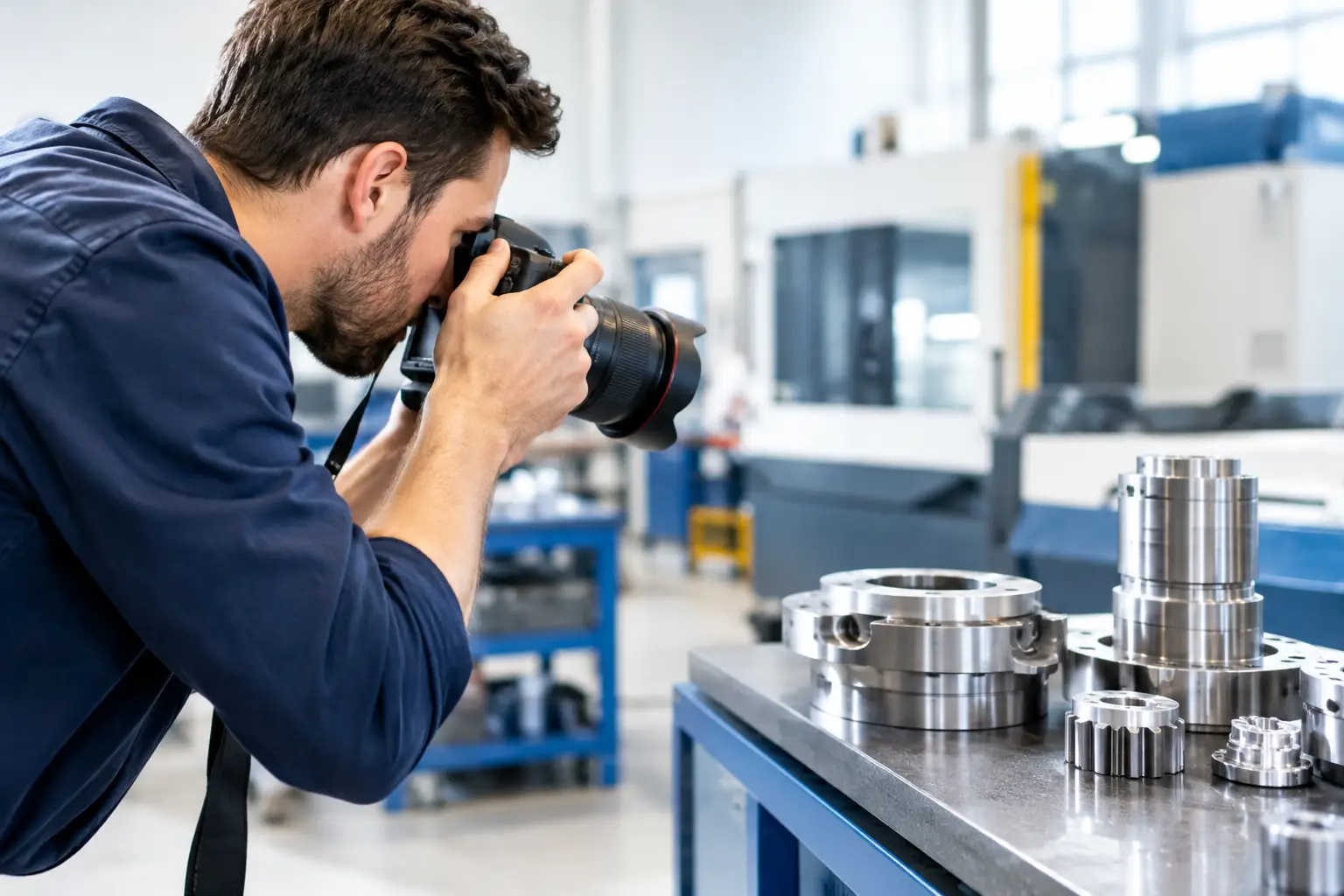
A manufacturing facility can be full of visual proof: precision equipment, skilled hands, engineered components, safety systems, finished goods, and the people who keep every process moving. Yet many manufacturers still rely on generic stock images or outdated photos that fail to communicate the quality of their operation. The best photography styles for manufacturers turn those real-world details into brand assets that give customers, partners, recruits, and procurement teams confidence.
The right approach is rarely a single style. A company selling a highly technical component needs different images than a food producer, fabrication shop, energy supplier, or industrial services firm. The strongest visual strategy combines styles with a clear purpose: show what you make, how you make it, who stands behind it, and why the result matters.
Start With the Story Behind the Operation
Before selecting a photography style, define what the images need to accomplish. Are you building a new website? Supporting a sales presentation? Recruiting hard-to-find talent? Launching a product line? Documenting a facility expansion? Those goals should shape the shot list, creative direction, locations, and final crop requirements.
For manufacturers, credibility is often the central message. Buyers want evidence of capability. Employees want to see a workplace worth joining. Investors and community partners want to understand the scale and standards behind the business. Photography should make those claims visible without feeling staged or overly promotional.
Collaboration is the key to creativity here. When a photographer understands the brand story, production process, customer expectations, and safety requirements, the final images can feel both polished and true to the operation.
Industrial Photography for Process and Scale
Industrial photography is the foundation of many manufacturing visual libraries. It captures facilities, machinery, production lines, fabrication work, shipping areas, and the physical environment where the business operates.
This style is especially effective when scale is part of the value proposition. Wide environmental images can show the size of a plant floor, the organization of a warehouse, or the complexity of an assembly operation. Strong composition, intentional lighting, and a careful point of view can make a practical space feel impressive without misrepresenting it.
The trade-off is that wide facility shots alone can become impersonal. A spotless production line may look capable, but it does not always communicate the expertise required to run it. Pair broad industrial scenes with closer process images that reveal the human skill, inspection standards, and precision behind the work.
Detail Photography That Proves Quality
Close-up photography is where manufacturers can distinguish themselves from competitors using broad claims like “quality” or “innovation.” A tightly framed image of a technician measuring a component, a weld bead, a control panel, a finished surface, or a carefully calibrated tool gives audiences something more tangible to believe in.
These images work well across brochures, website service pages, presentations, trade show materials, and editorial placements. They also create visual variety. Not every photograph needs to show an entire room or product. Details add rhythm to a brand library and give designers useful options for layouts, crops, and overlays.
The key is selecting details that mean something. A visually interesting spark or machine part may add energy, but it should still support the company’s actual expertise. Precision, safety, materials, craftsmanship, testing, and efficiency are all stronger visual messages when they connect directly to your market position.
Environmental Portraits That Put Expertise Forward
Manufacturing is a people business, even in highly automated facilities. Environmental portraits show the engineers, operators, quality-control professionals, leaders, and technical specialists whose knowledge moves the business forward.
Unlike a standard headshot, an environmental portrait places a person in context. An engineer may be photographed near the equipment they designed. A plant manager may be shown walking the floor. A technician may be captured at a workstation with a confident, natural expression. These photographs make a company more approachable while reinforcing its depth of experience.
This style is particularly valuable for recruitment, corporate communications, leadership profiles, proposals, and employer-brand campaigns. It helps prospective employees picture themselves on the team and allows clients to see the people responsible for their project.
Authenticity matters. Employees should look prepared and professional, but they should not appear frozen in artificial poses or asked to perform unsafe actions for the camera. A well-planned shoot works around active production, required protective equipment, and real workflows. The result feels credible because it is grounded in the actual workplace.
Product Photography for Buyers Who Need Clarity
Product photography is essential when a manufacturer sells physical goods, components, equipment, or packaged products. The style can range from clean studio images on a simple background to in-use product photographs that show size, function, and application.
Studio-style product photography is ideal for catalogs, e-commerce, spec sheets, distributor materials, and product launch campaigns. Controlled lighting reveals form, texture, finishes, and essential features with consistency. This is often the right choice when buyers need a clear, uncluttered view of what they are ordering.
Contextual product photography serves a different purpose. It shows a product installed, operating, being handled, or solving a real-world problem. For complex or highly technical offerings, this can be more persuasive than a standalone product image because it helps the viewer understand relevance at a glance.
The best choice depends on the buying process. If customers compare parts by specification, clarity and consistency should lead. If they need to see an engineered solution at work, a real environment may deliver more impact. Often, a complete visual library needs both.
Lifestyle Photography for Brand Culture and End Use
Lifestyle photography may not be the first style associated with manufacturing, but it can be a powerful addition when used with intention. It captures people interacting with a product, using an end result, collaborating at work, or experiencing the benefit a manufacturer delivers.
For example, a manufacturer of commercial interiors may show finished spaces in use. A food producer may photograph products in a hospitality setting. A company making safety equipment may document that equipment in a real field environment. These images move the story beyond production and toward customer value.
This approach should not replace operational photography. It should extend it. A lifestyle image without evidence of manufacturing capability can feel disconnected, while facility-only imagery may not communicate why the final product matters. Together, they create a fuller brand narrative from production floor to end user.
Aerial Photography for Facilities, Logistics, and Growth
Aerial photography gives manufacturers a perspective that is difficult to achieve from the ground. It can reveal the footprint of a facility, the flow of vehicle traffic, the scale of a yard, proximity to rail or highway access, and the scope of a construction or expansion project.
This style is particularly effective for companies in industrial parks, resource sectors, transportation, construction supply, agriculture, and large-scale fabrication. It provides immediate context and can make a facility easier to understand for audiences who have never visited in person.
Aerial images work best as supporting visuals rather than the entire story. They establish scale, then ground-level industrial and people-focused photography can explain what is happening within that footprint. Weather, airspace restrictions, timing, and safety planning all affect what is possible, so aerial production benefits from early coordination.
How to Build a Strong Manufacturing Image Library
The most effective manufacturing photography does not come from a one-off collection of unrelated images. It is built as a flexible library designed for current needs and future campaigns. That means planning for horizontal and vertical compositions, clean negative space for copy, images with and without people, and a balance of wide, medium, and close-up views.
Consistency also matters. Lighting, color treatment, wardrobe guidance, safety compliance, and location selection should all reflect the brand. A company known for precision may need clean, controlled visuals with crisp detail. A family-owned fabrication business may benefit from warmer, more personal imagery that highlights craftsmanship and long-standing relationships. Neither approach is universally better. The right one is the one that makes the brand recognizable and believable.
Image Calgary approaches commercial photography as a partnership between creative direction and business objectives. That means understanding what a manufacturer needs to communicate before the first frame is captured, then creating visuals that can work across marketing, recruitment, sales, and corporate communications.
Your facility already contains the materials for a compelling visual story. The opportunity is to photograph it with enough intention that every image helps people see the care, capability, and character behind what you make.