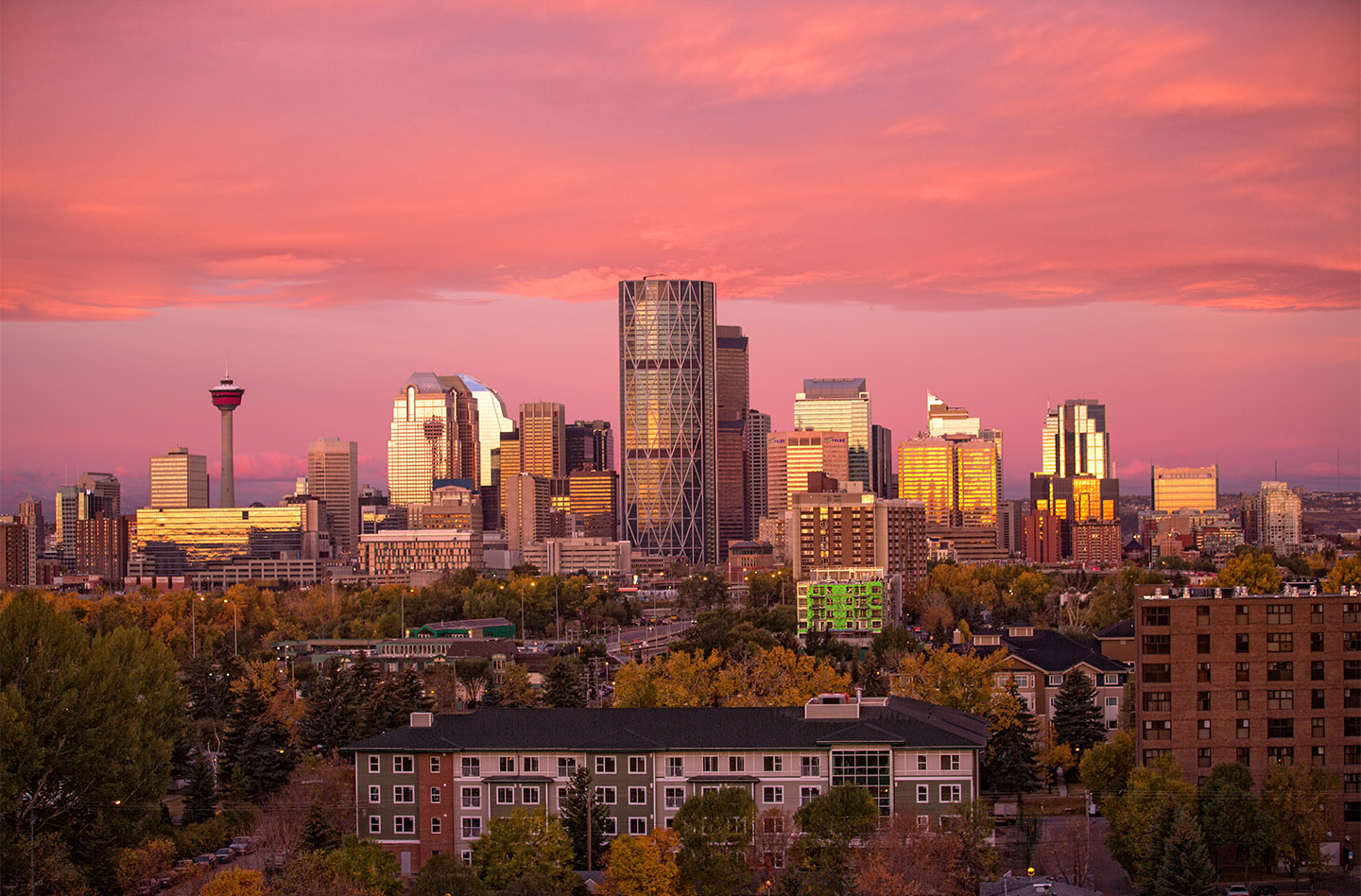


A new website, campaign, or annual report can lose credibility quickly when the photography feels disconnected from the brand. That is why commercial photography costs should be considered as part of the broader marketing investment, not as a final production expense. The right visual library can support sales, recruiting, media relations, social content, and customer trust long after the shoot day ends.
The price of commercial photography varies because the work itself varies. A straightforward executive portrait session is not built like an industrial site shoot, a food campaign, or a multi-location lifestyle production. Scope, creative direction, usage needs, crew, locations, and post-production all shape the final estimate.
What Commercial Photography Costs Include
A professional estimate should make the production process clear. Rather than presenting one unexplained number, it should identify what is required to create images that serve your brand story and intended channels.
Pre-production is where a strong project begins. This can include discovery calls, creative direction, mood boards, shot planning, location scouting, scheduling, talent coordination, prop sourcing, permits, and safety planning. For a company photographing active operations, this stage may also involve site orientation, personal protective equipment, security clearance, or coordination with multiple departments.
The photography fee covers the photographer’s experience, creative judgment, equipment, time on set, and ability to direct a project toward useful business outcomes. Commercial photography is not simply about making a technically correct image. It is about recognizing the moment, composition, and detail that communicate confidence, scale, craftsmanship, culture, or customer appeal.
Production expenses may include a producer, photography assistant, digital technician, stylist, makeup artist, food stylist, prop stylist, models, wardrobe, studio rental, set construction, lighting rentals, travel, and accommodation. Not every project needs every role. A lean, well-planned portrait session may need only a photographer and assistant, while a product or lifestyle campaign may benefit from a larger team.
Post-production is another significant part of the budget. It includes image selection, color correction, exposure adjustments, cropping, file preparation, retouching, and delivery. Detailed retouching for products, food, architecture, or advertising can take considerably longer than standard finishing for corporate environmental portraits.
Finally, usage licensing defines how the finished images may be used. A business may need broad rights for its website, social channels, advertising, print collateral, trade shows, editorial opportunities, or out-of-home campaigns. Clarifying this upfront protects both the client and the photographer while ensuring the investment matches the value and reach of the work.
Typical Commercial Photography Budget Ranges
There is no universal rate card for commercial photography, but planning ranges can help teams begin a useful conversation. A focused executive portrait or small team session may fall in the lower end of a commercial budget, particularly when it takes place at one office and requires limited setup. A brand content session with environmental portraits, workplace details, and multiple deliverables generally requires more time for planning, lighting, and post-production.
A full-day commercial shoot for a growing business can range from several thousand dollars to well above that amount, depending on production requirements. A campaign involving professional talent, a studio, stylists, custom props, advanced retouching, or several locations can move into five figures. Larger industrial, hospitality, food, or product productions may also require multiple shoot days and specialized crew.
These figures are best treated as planning guidance, not a substitute for a project estimate. Ask whether pricing is presented in Canadian or U.S. dollars if your organization operates across borders. More importantly, compare what is included. A lower quote that excludes licensing, retouching, travel, assistants, or production coordination may not represent the lower overall cost.
A smaller budget does not always mean a smaller impact
A limited budget can still produce excellent work when the scope is disciplined. One location, a focused shot list, consistent art direction, and clear decision-making can create a versatile library of images without the cost of a large campaign. The objective is not to make every shoot elaborate. It is to invest where the visuals will matter most.
For example, a professional services firm may prioritize leadership portraits, authentic team interactions, and images of the client experience. A manufacturer may gain more value from photography that shows the scale of its facility, skilled employees at work, quality control, and the finished product in use. The strongest plan reflects the business, not a generic content checklist.
The Factors That Raise or Reduce Your Cost
The number of final images is only one piece of the equation. A request for 20 images can be simple if the images are captured in a single environment with a repeatable setup. It can be complex if each image requires a different location, product arrangement, lighting design, or group of people.
Time is a major factor. Half-day, full-day, and multi-day schedules affect photographer, crew, location, and equipment costs. However, rushing a complex brief into too little time can create a false economy. If a team is not ready, products are unavailable, or access to key spaces is delayed, the production can lose valuable shooting time.
Location also changes the calculation. A controlled office environment is different from an active construction site, warehouse, commercial kitchen, remote industrial facility, or hospitality venue open to guests. Travel, weather contingencies, site restrictions, safety requirements, and limited access windows need to be accounted for early.
Creative complexity matters as well. Natural, documentary-style workplace images may need a lighter setup than a highly produced advertising concept. Neither approach is automatically better. The right choice depends on your brand position, audience, channel, and the emotional response you want the work to create.
How to Build a Smarter Photography Brief
The clearest route to a cost-effective project is a clear brief. Before requesting an estimate, identify where the images will appear, who they need to speak to, and what the audience should understand or feel. A website refresh, recruitment campaign, investor presentation, restaurant launch, and product catalog may all require different visual decisions.
Share your priority deliverables rather than asking for every possible image. Describe the people, products, processes, or environments that matter most. Include brand guidelines, planned campaign messaging, intended dates, locations, and any operational constraints. If you have existing images, explain what is no longer working. Perhaps they feel dated, too generic, inconsistent, or disconnected from the level of service you provide.
It also helps to establish who will approve creative decisions. A production can move efficiently when stakeholders agree on the visual direction before the shoot. Last-minute changes are sometimes necessary, but they can affect both schedule and cost.
Questions worth asking before you approve an estimate
Ask what is included in pre-production and whether a shot list or creative treatment will be developed. Confirm the number of shoot hours or days, crew roles, expected final deliverables, retouching level, delivery timeline, travel expenses, and image licensing terms. If the work will be used in paid advertising or distributed widely, say so from the beginning.
You should also ask how the photographer will help make the images usable across multiple channels. Portraits may need horizontal and vertical compositions. Website banners may need negative space for copy. Social content often needs a different crop than print. Planning for those needs on set is more efficient than attempting to solve every issue later.
Think Beyond the Shoot Day
The most valuable photography is built for continued use. A well-directed content library gives your team options for landing pages, proposals, presentations, recruitment, press materials, email campaigns, and seasonal promotions. It also creates visual consistency as your brand grows.
At Image Calgary, collaboration is the key to creativity. Understanding your brand story before the cameras come out helps direct the budget toward images with a real commercial purpose, whether that means showing the people behind the work, the quality of a product, or the character of an entire operation.
The best next step is not to search for the lowest possible number. Bring a clear business objective, an honest budget range, and a willingness to prioritize. That conversation creates room for thoughtful production choices and images that continue working for your brand well after the final files are delivered.