

A polished headshot can introduce a person. A strong product image can show what you sell. But lifestyle photography shows what it feels like to choose your brand. It places people, products, services, and environments in believable moments that give an audience a reason to look closer.
For businesses, that distinction matters. Buyers, recruits, clients, and partners are not only assessing quality. They are reading cues about culture, confidence, relevance, and trust. The right visual story can make a professional service feel more approachable, a workplace feel more credible, or a product feel naturally at home in a customer’s life.
What Lifestyle Photography Communicates
Lifestyle imagery is often mistaken for casual photography. It is not. The strongest images may feel spontaneous, but they are built with intention: the right location, casting, wardrobe, light, action, composition, and brand context. Every choice helps the viewer understand the world your business creates.
A hospitality brand might use lifestyle images to show the energy of a busy dining room and the care behind a plate. A construction company may photograph crews collaborating on site, with safety, scale, and expertise visible in the frame. A professional services firm can move beyond the standard boardroom handshake by showing real conversations, focused work, and the details that define its culture.
This approach gives marketing teams more than a collection of attractive photos. It creates a visual language that can carry across a website, recruitment campaign, annual report, paid advertising, social channels, presentations, and editorial opportunities. The work feels connected because it comes from the same brand story.
Why Authenticity Requires Direction
“Authentic” has become an overused word in brand marketing, often treated as a reason to avoid planning. In practice, authenticity needs direction. A photograph of a real employee in a real workplace can still feel flat if the setting is cluttered, the light is poor, or the action lacks purpose.
The goal is not to manufacture a moment that viewers cannot believe. It is to identify genuine moments worth elevating. A skilled commercial photographer watches for natural interactions, then shapes the frame so the message is clear. That can mean giving a team member a simple action to repeat, adjusting where people stand for better light, or removing distractions that compete with the subject.
There is a trade-off. Highly styled imagery can deliver control, polish, and a precise brand look, but it can feel distant if it becomes too perfect. Documentary-style imagery can feel immediate and credible, but it may be less consistent across a broad campaign. The best direction depends on the brand, the audience, and where the final images will appear.
For many organizations, the answer is a balanced approach: real people and real locations, guided by thoughtful art direction. The result is believable photography with enough visual discipline to perform in commercial use.
Start With the Brand Story, Not the Shot List
A shot list is useful, but it should not be the beginning of a lifestyle photography project. Before deciding which scenes to capture, clarify what the audience needs to feel and understand.
A brand built around precision may need imagery that highlights process, expertise, and attention to detail. A growing company focused on recruitment may need to show belonging, momentum, and a workplace where people can do meaningful work. A consumer brand may need to make its product feel aspirational without losing its everyday usefulness.
Those priorities affect every production decision. They determine whether the visual tone should be energetic or understated, urban or natural, highly composed or observational. They also shape casting. Using employees can bring credibility and a distinct point of view, while professional talent may provide flexibility, consistency, and a broader representation of your ideal customer. Neither choice is automatically better.
Collaboration is the key to creativity here. When a photographer understands your positioning, customer profile, and campaign objectives, the work moves beyond generic scenes. The photos begin to reflect what is specific about your organization.
Build a Useful Creative Brief
An effective brief does not need to be complicated. It should establish the audience, primary message, intended channels, visual references, locations, key people or products, and practical restrictions. It should also identify what the images must avoid.
That last point is valuable. Some brands need to avoid overly corporate gestures, overly casual wardrobe, outdated visual cues, or settings that do not represent their market. Industrial and technical businesses may have operational and safety requirements that influence what can be photographed. Restaurants and food brands may need careful timing around service. A clear brief prevents surprises and protects the value of the production day.
Where Lifestyle Photography Creates Business Value
Lifestyle images work best when they are planned as an asset library, not a single campaign deliverable. One well-produced session can create a range of horizontal, vertical, close-up, and environmental images that give a marketing team options long after the shoot wraps.
On a website, lifestyle photography helps visitors quickly see who a company serves, how it operates, and what working with it may feel like. In recruitment, it gives candidates evidence of culture rather than relying on broad claims. For sales teams, it can turn presentations and proposals into a more memorable brand experience. In social media and advertising, it provides the human context that stops a polished message from feeling like a template.
It is also especially valuable for businesses whose offer is difficult to photograph directly. Consulting, finance, engineering, technology, healthcare, and professional services often sell expertise, relationships, and outcomes. Lifestyle visuals make those intangible qualities visible through people, environments, details, and moments of collaboration.
Production Details That Protect the Final Images
Good lifestyle photography is as much about preparation as it is about creativity. Production planning protects the schedule, budget, and visual result.
Location scouting matters because the setting carries part of the story. A bright office, a working facility, a client-facing space, or an outdoor environment can all support different messages. The photographer should assess available light, room to work, background distractions, parking and access, safety considerations, and the best times to shoot.
Wardrobe deserves the same attention. Clothing should reflect the brand and role of the people in the image without becoming a distraction. Coordinated does not mean identical. A natural palette with considered textures usually feels more convincing than matching uniforms unless uniforms are central to the business.
Timing is equally important. Rushing people through complex scenes produces tense expressions and limited options. A thoughtful schedule leaves room for setup, genuine interaction, alternate compositions, and the unexpected moments that often become the most useful frames.
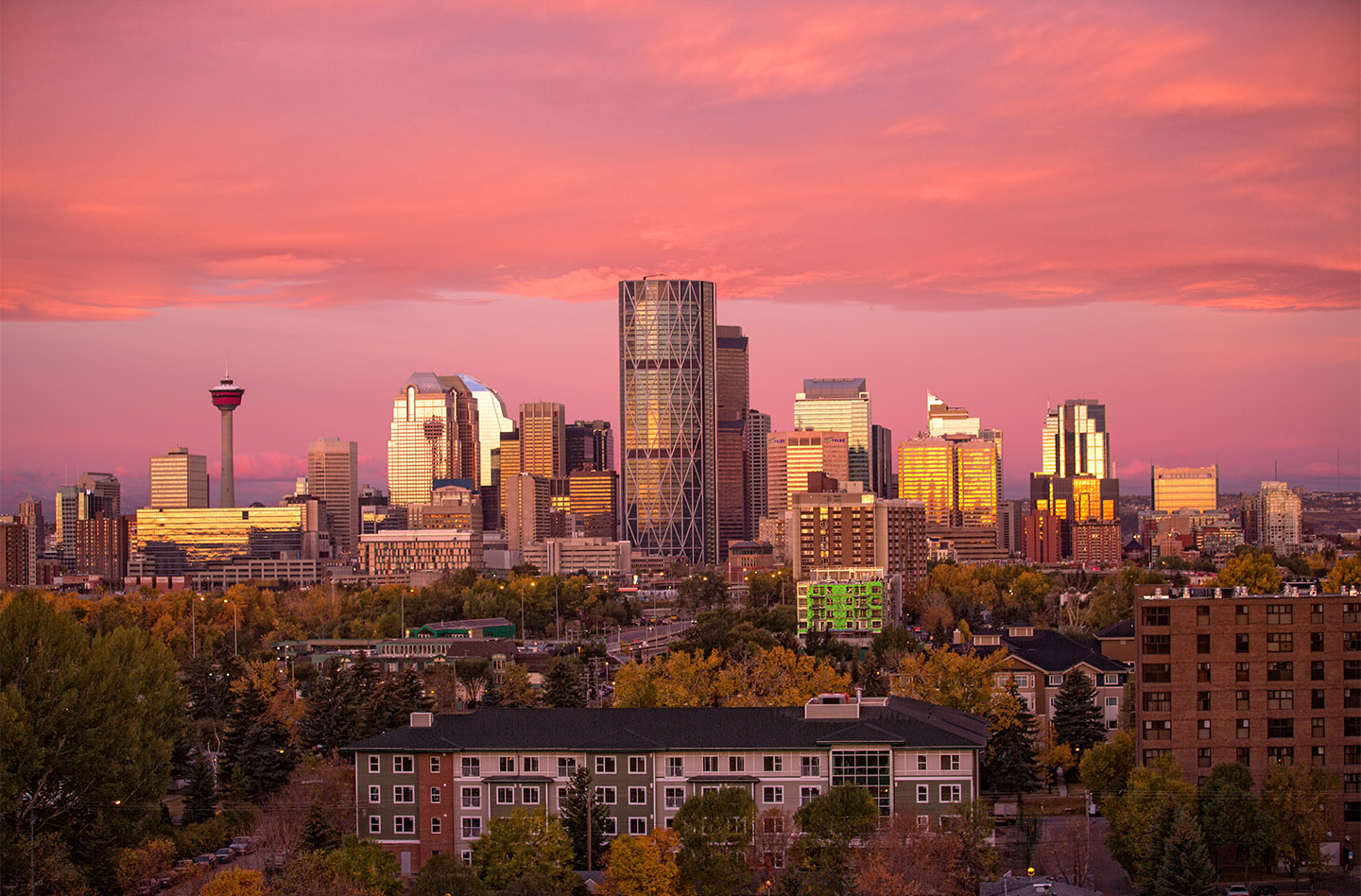
At Image Calgary, this planning is part of building photography around the client’s story, team, products, and working environment. The objective is not simply to make a business look good for a day. It is to create visual material that can support its communication long after production ends.
How to Judge Whether the Images Are Working
The strongest lifestyle images do not need heavy explanation. A viewer should understand the emotional tone and general message within seconds. Ask whether the photographs feel specific to your organization or whether another company could use them without anyone noticing.
Look for clarity as well as beauty. Are people shown with a believable purpose? Does the environment support the message? Is the brand present through its values, visual tone, product, or experience rather than through forced logo placement? Can the images be cropped for multiple formats without losing their meaning?
Finally, consider longevity. Trend-driven styling can create immediate impact, but it may date quickly. A campaign can absolutely benefit from a current look when the timing is right. For core website and brand imagery, however, it is often wiser to prioritize enduring light, grounded styling, and moments that remain true as the business grows.
The best lifestyle photography gives people a clear sense of your brand before they ever start a conversation. When the images feel intentional, credible, and alive, they do more than fill space in a campaign. They make the next step with your business feel easier to imagine.