
A guest can compare your hotel with a dozen nearby properties in minutes. Before they consider your location, amenities, or rate, they are judging the experience through your images. The top photography needs for hotels are not simply a collection of attractive room photos. They are a coordinated visual story that makes the property feel credible, distinctive, and worth booking.
For hotel owners, operators, and marketing teams, the objective is clear: create imagery that answers a guest’s questions before they ask them, while giving the sales team and brand channels a versatile library to work from. That requires more than a quick shoot on a quiet weekday. It requires a photography plan built around the property’s positioning, target guests, and commercial goals.
Top Photography Needs for Hotels
Hero imagery that establishes the property
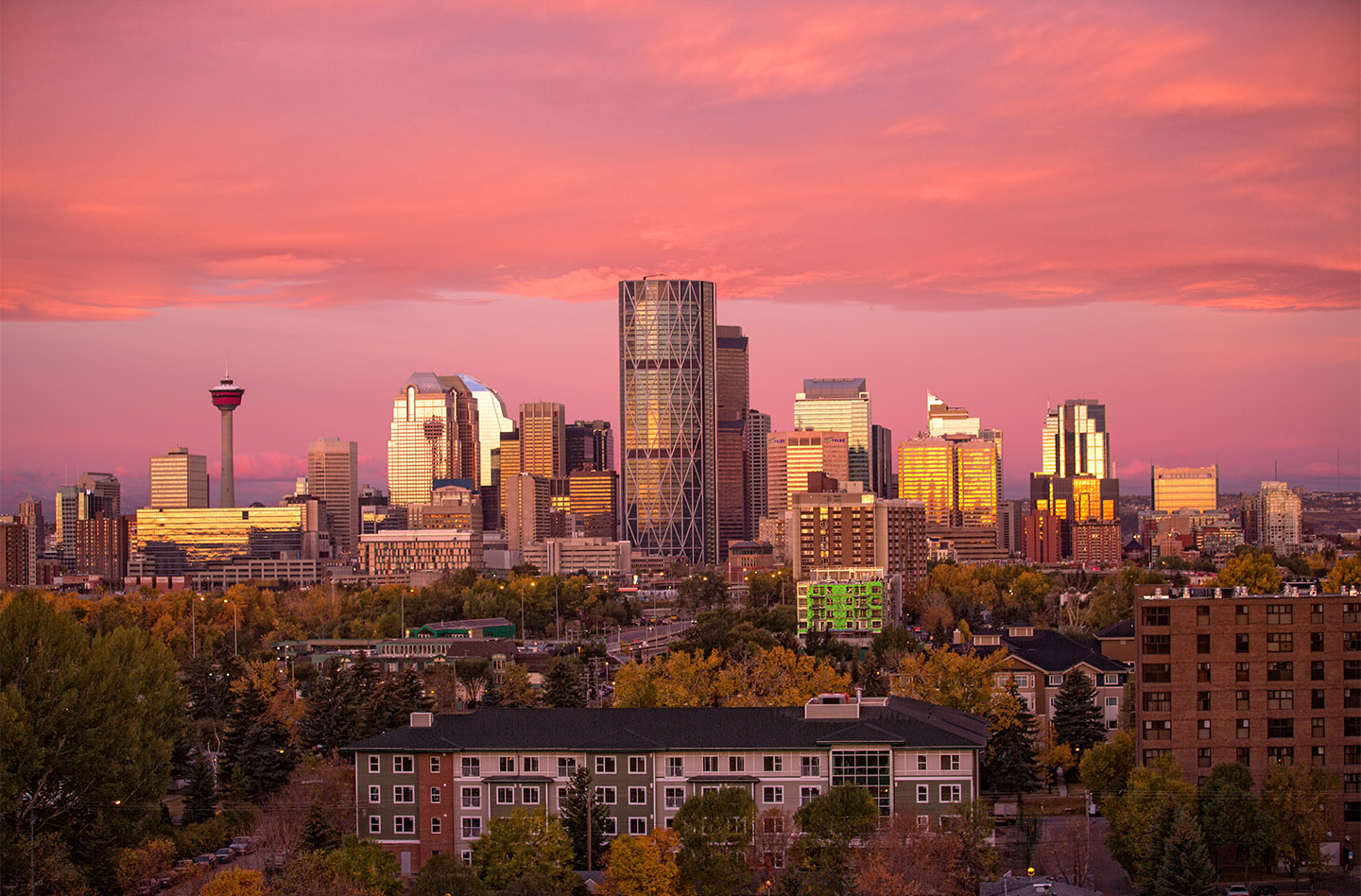
Every hotel needs a small set of decisive images that communicate its character immediately. This may be a striking exterior at blue hour, a lobby with architectural depth, a rooftop view, or a guest room that captures the property’s design point of view. These photographs carry the visual weight of the website homepage, booking listings, advertising, and media coverage.
Hero images should not be selected only because they are dramatic. They need to be true to the guest experience. A polished boutique hotel may lead with texture, art, and intimate lighting. A resort may need to lead with scale, landscape, and activity. A business hotel may earn attention through refined spaces, efficient amenities, and a strong sense of location. The right creative direction depends on why a guest chooses your property over another one.
Guest rooms that make the stay easy to picture
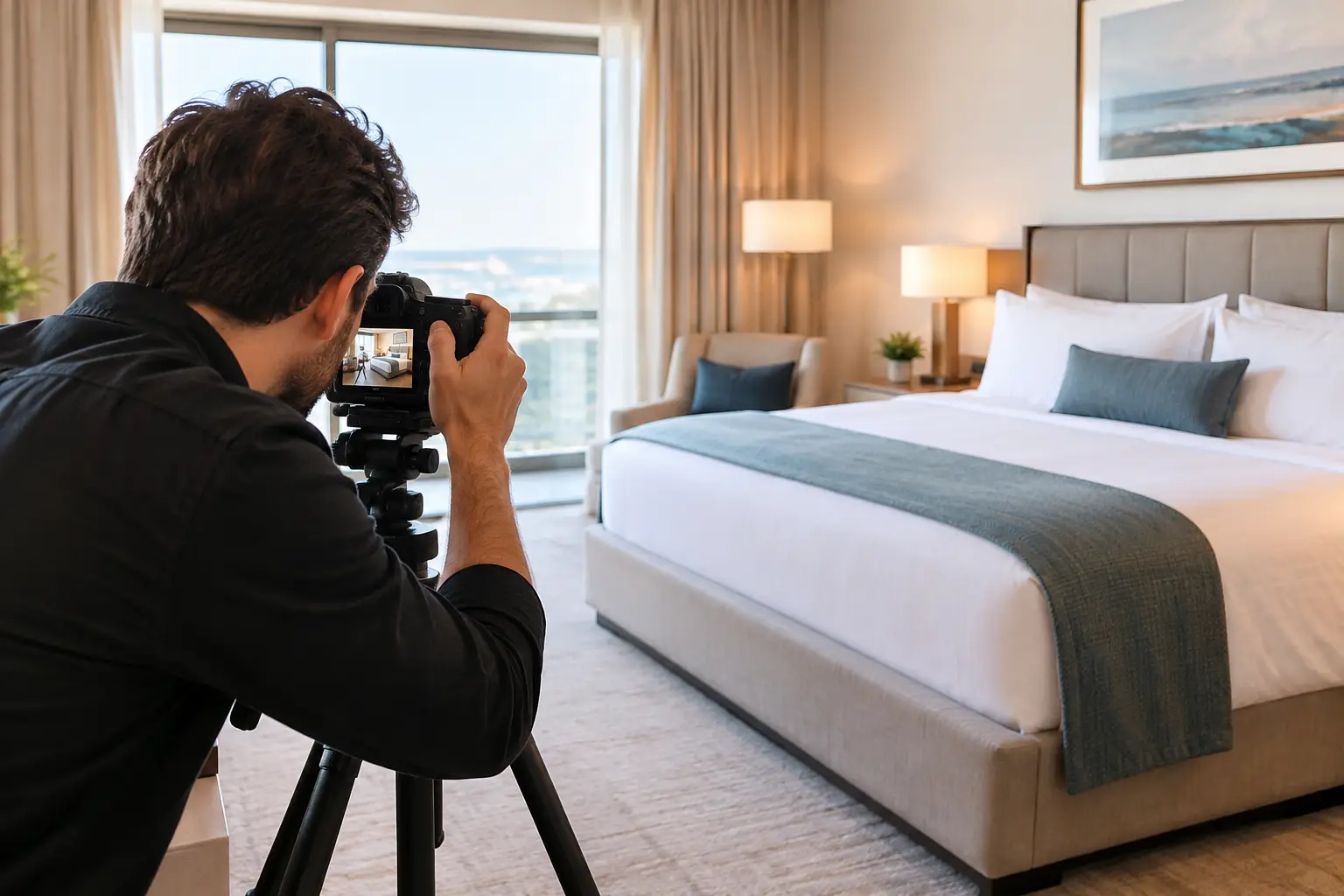
Room photography is often the most scrutinized hotel content because it directly shapes booking confidence. Guests want to understand the layout, bed configuration, work surface, bathroom quality, window view, storage, and overall level of comfort. Images should be bright, composed, and honest without feeling sterile.
Wide-angle photography has a role here, but it needs restraint. Extreme angles can make a compact room appear misleadingly large and can undermine trust once guests arrive. A better approach pairs a well-composed wide view with supporting details: crisp linens, a reading chair, a bedside moment, a thoughtfully designed bathroom, or a workspace ready for a traveler.
Room categories also deserve clear separation. If a standard king, premium suite, and accessible room are all important inventory, each needs its own visual treatment. Generic imagery forces potential guests to guess. Specific imagery helps them choose.
Lifestyle images that show the feeling of a stay
Empty interiors communicate design. People communicate experience. Lifestyle photography gives a hotel warmth, scale, and emotional context by showing guests enjoying the spaces in a believable way.
The key is casting and direction that fit the brand. A luxury urban property may feature a couple arriving for a weekend, friends at the bar, or a guest taking a quiet moment in a suite. A conference-focused hotel may show colleagues meeting over coffee, checking in, or using a flexible workspace. A family-oriented destination needs genuine interaction rather than posed smiles around every corner.
Lifestyle content works best when it feels observed rather than staged. Wardrobe, casting, timing, and styling all shape that result. The people in the imagery should reflect the guests you want to welcome, not a generic stock-photo version of hospitality.
Food, beverage, and gathering spaces with energy
Restaurants, lounges, breakfast service, banquet rooms, and patios can be meaningful booking drivers as well as revenue centers in their own right. Yet these spaces are frequently photographed empty and fully lit, which may document the room but does little to create appetite or atmosphere.
Food and beverage photography needs to balance two needs. First, it should show the venue clearly enough for guests planning a stay, event, or meal. Second, it should create a sensory response through thoughtful light, composition, food styling, and human interaction. A cocktail being finished at the bar or a shared plate arriving at the table can tell a more compelling story than a perfect but isolated menu item.
Event spaces deserve the same attention. Photograph them set for the occasions you want to sell: a board meeting, wedding reception, gala, or private dinner. One empty-room image is useful for planners. It should be supported by images that show what the space becomes when it is working at its best.
Amenities and practical proof points
A guest’s final decision may come down to details that are easy to overlook in a general shoot. Fitness centers, pools, spas, pet-friendly features, shuttle service, parking access, coworking areas, and accessible entrances can all influence a booking.
Not every amenity requires a full editorial setup. But each meaningful feature should be documented with the same care as the guest room. Strong images make practical information more persuasive and help reduce uncertainty for travelers with specific needs.
For properties competing for meetings, group travel, or extended stays, this becomes especially valuable. A clear image of high-speed work areas, flexible event layouts, or a well-equipped kitchen can move a property from consideration to inquiry.
Build a Hotel Photography Library, Not a One-Time Shoot
The most useful hotel photography is planned as a library with multiple channels in mind. Your website requires horizontal headers and room-specific galleries. Social media benefits from vertical frames, behind-the-scenes moments, and seasonal content. Sales collateral needs imagery that supports group bookings, partnerships, and event proposals. Public relations teams need polished editorial images that can stand on their own.
Before production, identify where the images will be used and what formats each channel requires. This prevents a common problem: investing in beautiful photography that does not fit key ad placements, listing platforms, or mobile-first social formats.
A productive shot plan usually accounts for five areas:
- Property exteriors, arrival experience, and neighborhood context
- Guest rooms, suites, bathrooms, and design details
- Dining, amenities, wellness areas, and event venues
- Lifestyle moments featuring the intended guest audience
- Seasonal images and campaign-specific content
The mix will vary. A downtown hotel near convention facilities may prioritize meetings, executive rooms, and proximity to the city. A mountain lodge may require more environmental imagery, outdoor activity, and seasonal variations. The point is to let the visual plan follow the business strategy.
Timing, Styling, and Operational Coordination
Hotels are active businesses, which makes production planning essential. A room shoot needs housekeeping standards, maintenance checks, and consistent staging. Food photography needs coordination with culinary teams. Lifestyle work may require talent, releases, wardrobe, and careful control of guest-facing areas.
Light is another major consideration. Exterior photography often benefits from early morning, late afternoon, or blue hour. Sunlight can transform a pool deck or patio, while an interior may need controlled lighting to preserve window views and retain the intended atmosphere. Shooting everything at midday may be efficient, but it rarely produces the strongest full-property collection.
Collaboration is the key to creativity here. When hotel operations, marketing, culinary, and the photography team align before shoot day, the result is more efficient and more intentional. Image Calgary approaches commercial work this way, connecting the visual brief to the brand story and the business outcome rather than treating each image as an isolated deliverable.
Keep Images Current Without Chasing Constant Reinvention
Hotel photography is not a one-and-done asset. Renovations, redesigned rooms, new menus, seasonal patios, staff changes, and refreshed brand standards can quickly make an image library feel dated. A full production may be appropriate after a major renovation or rebrand, while quarterly or seasonal shoots can keep campaigns fresh without rebuilding the entire collection.
There is a trade-off between consistency and novelty. Core room and architectural images should remain stable enough that guests recognize the property across channels. Campaign content can be more timely, expressive, and responsive to changing traveler interests. A thoughtful content calendar makes both possible.
The strongest hotel photography does more than show people where they will sleep. It lets them imagine arriving, settling in, meeting, celebrating, and returning. When every image supports that feeling with clarity and credibility, the property becomes easier to choose.