
A boardroom portrait with crossed arms tells one story. A well-made image of your leadership team in motion, working inside your real environment, tells another. That difference is exactly where a corporate lifestyle photographer adds value. The goal is not simply to make a business look polished. It is to create images that feel credible, branded, and useful across the channels where perception is built.
For companies investing in websites, campaigns, recruitment, media placements, and internal communications, generic stock visuals rarely hold up. They may look clean, but they do not show your people, your standards, or the way your organization actually operates. Strong corporate lifestyle photography closes that gap by combining brand strategy with real-world visual storytelling.
What a corporate lifestyle photographer is really hired to do
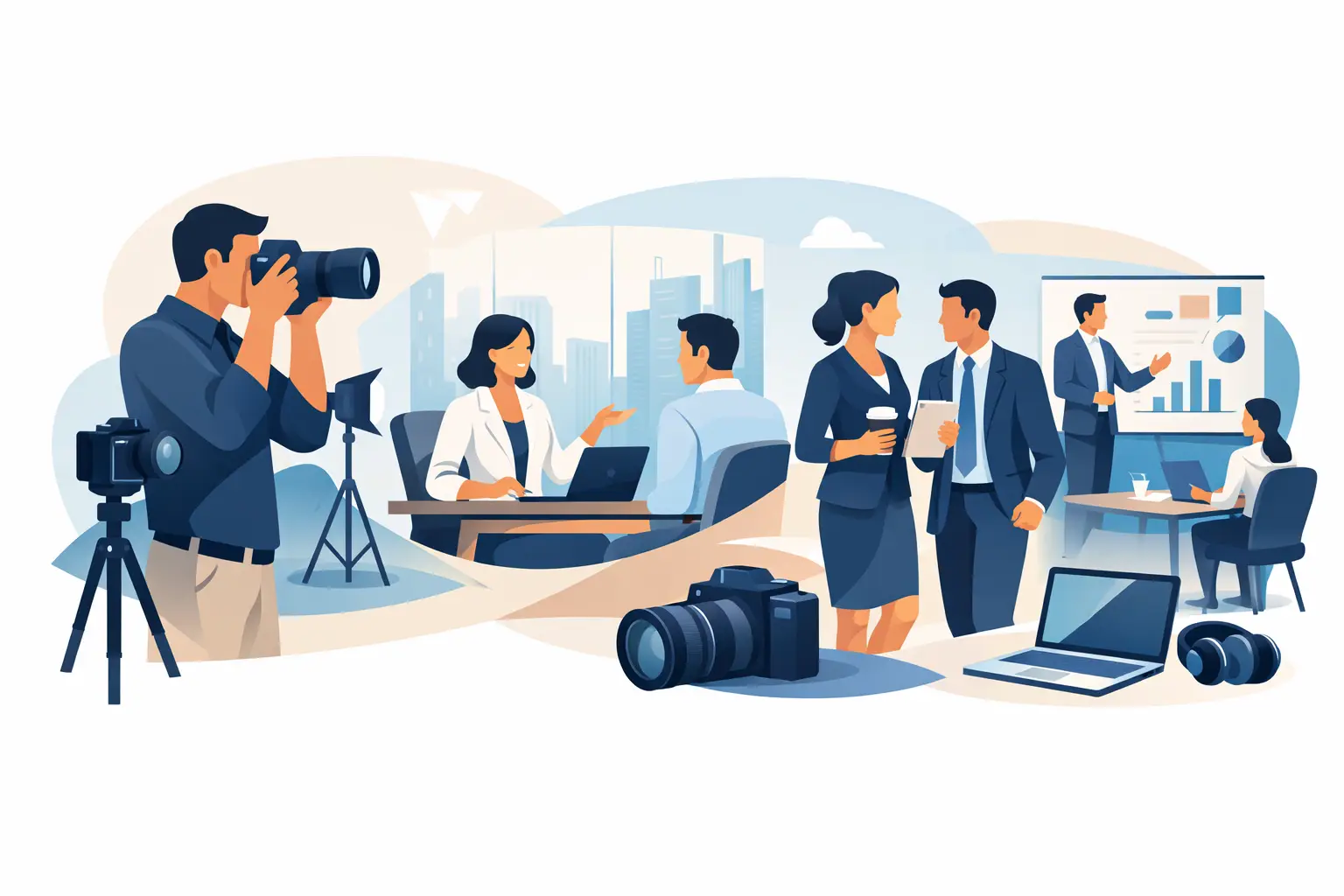
A corporate lifestyle photographer creates brand-focused images of people at work, interacting naturally within a professional setting. That can include executive teams, staff collaboration, customer-facing moments, workplace culture, field operations, or service delivery. The style is more candid than formal portraiture, but more intentional than documentary coverage.
That distinction matters. These images are planned, directed, and crafted to feel authentic without looking staged. Lighting, composition, wardrobe, environment, and body language are all considered in advance. The final result should look effortless, but it is built through a disciplined process.
For businesses, the benefit is practical. You gain a library of visuals that can support your brand across multiple uses without feeling repetitive or disconnected. A single shoot can provide website hero images, recruitment assets, social content, press-ready visuals, presentation imagery, and campaign material, all while maintaining a consistent visual identity.
Why businesses choose corporate lifestyle photography over stock
Stock photography is fast, and in some cases it can fill a temporary gap. But it comes with a clear limitation: it represents an idea of a business, not your business. If your company is trying to build trust, show professionalism, or differentiate in a crowded market, that can become a problem quickly.
A corporate lifestyle photographer helps replace borrowed identity with owned imagery. Instead of a generic team in a generic office, your audience sees your people, your workspace, your process, and your culture. That creates a stronger emotional response because it feels specific. It also creates a stronger commercial response because the visuals support credibility.
There is also a control advantage. With custom photography, the tone, setting, styling, and usage are aligned with your brand. You are not trying to force unrelated visuals into your messaging. The photography is built for the business objective from the start.
That said, custom work requires planning, budget, and internal coordination. It is not the right choice for every minor content need. But when your image library influences how clients, candidates, partners, or media outlets perceive your organization, original photography usually delivers longer-term value.
What strong corporate lifestyle photography should communicate
At its best, corporate lifestyle imagery does more than show people smiling at a conference table. It communicates how your brand operates and what it feels like to work with you. That may mean confidence, precision, energy, warmth, innovation, reliability, or a mix of qualities that define your market position.
The right visual direction depends on the business. A law firm may need a more restrained, composed style that signals trust and discretion. A tech company may want a cleaner, more dynamic look that suggests momentum and collaboration. An industrial brand may need imagery that balances safety, capability, and scale without losing the human element.
This is why the best work starts with questions before cameras. What are you trying to say? Who needs to believe it? Where will these images live? Those answers shape everything from shot selection to pacing to production design.
The difference between candid and constructed
One of the most common misconceptions in this category is that lifestyle photography is simply unposed photography. In reality, the strongest images often sit in the middle. They feel natural, but they are carefully guided.
People generally need direction in front of a camera, especially in a corporate setting where self-consciousness can rise fast. Without direction, expressions flatten, posture stiffens, and scenes become visually passive. With too much direction, the images look forced.
An experienced photographer manages that balance. They build scenes that reflect real work patterns, then guide movement, spacing, eyelines, and interaction so the frame feels believable and visually strong. The process is collaborative rather than theatrical. That is how authenticity and polish can exist in the same image.
How a corporate lifestyle photographer supports the brand
Brand consistency is often discussed in terms of logos, fonts, and color palettes. Photography deserves the same level of discipline. If your website looks refined but your team imagery feels inconsistent, dated, or overly generic, the brand experience weakens.
A corporate lifestyle photographer helps define a visual system, not just a set of standalone images. That includes choices around tone, lighting style, framing, environments, wardrobe direction, and how people are represented. Over time, those decisions create recognition and trust.
This matters even more for organizations with multiple departments, locations, or audiences. Marketing may need campaign-ready visuals, HR may need recruitment content, and communications may need executive imagery and editorial assets. When the photography is approached strategically, those needs can be served from one cohesive production plan rather than a series of disconnected shoots.
For many companies, that is where the real return appears. The photography becomes easier to use because it was created with the broader brand ecosystem in mind.
What to expect from the process
A professional corporate lifestyle shoot should begin well before shoot day. The planning stage usually covers goals, audience, locations, shot priorities, usage, scheduling, and practical production needs. If the project is handled properly, the creative direction will be tied directly to business outcomes rather than treated as decoration.
Pre-production is where efficiency is won. Clear shot planning reduces disruption, helps teams prepare, and ensures the day produces images that are actually usable. This is especially important in active workplaces, industrial settings, or businesses where operations cannot stop for the camera.
On set, the experience should feel organized and calm. Subjects need enough direction to feel confident, but not so much that every frame feels manufactured. The photographer should also know when to adapt. Real environments present real constraints – shifting light, limited access, busy schedules, changing personnel. Strong commercial photography depends as much on problem-solving as aesthetics.
After the shoot, image selection and retouching shape the final value of the project. Editing should support the brand without stripping away realism. Most corporate clients are not looking for heavy visual effects. They want images that feel elevated, consistent, and believable.
When this style works best
Corporate lifestyle photography is especially effective when a business needs to show the human side of professional credibility. That might include service-based firms that need to build trust, manufacturers that want to put faces to complex operations, hospitality brands that rely on atmosphere, or growing companies trying to strengthen recruitment.
It is also one of the most versatile categories of commercial photography because it can overlap naturally with portrait, industrial, editorial, and brand content. A well-planned session can create a broad asset library without sacrificing quality.
Still, not every visual need should be solved the same way. If the objective is a strict executive headshot, clean portraiture may be the better fit. If the goal is highly technical product detail, a more controlled product setup will likely outperform lifestyle coverage. Good strategy means choosing the right tool, not forcing one style to do everything.
That is where an experienced studio brings value as a creative partner. At Image Calgary, collaboration is the key to creativity, and understanding your brand story is the first step to creating magic. The strongest commercial images come from aligning that creative vision with the realities of how a business markets, sells, hires, and grows.
Choosing the right corporate lifestyle photographer
Not every photographer who can capture people in an office can build images that support a brand. The difference usually appears in the questions they ask, the way they plan, and how clearly they understand commercial use.
A good fit will think beyond the single image. They will consider consistency, messaging, audience, and how the final work needs to perform across platforms. They will also know how to direct non-professional talent, work efficiently in real business environments, and create visuals that feel natural without losing polish.
Style matters, but strategy matters just as much. You are not only hiring someone to take appealing photographs. You are hiring a partner to shape visual trust.
When the photography reflects the truth of your brand in a way that feels elevated and intentional, the images keep working long after the shoot is over. That is the standard worth aiming for.