

If your team is investing in new brand photography, the real question is not just how the images will look. It is what should a brand shoot include so the final gallery actually supports sales, marketing, recruiting, and day-to-day brand communication. Strong brand photography is not a collection of attractive images. It is a working visual system built around how your business needs to be seen.
That distinction matters because many companies come out of a shoot with a few polished hero photos and very little else. The website still needs team images. Sales sheets still need product and process visuals. Social campaigns need vertical crops. Media kits need leadership portraits. Internal communications need workplace images that feel real, not staged beyond recognition. A successful brand shoot accounts for all of that before the camera comes out.
What should a brand shoot include for business use?
The answer depends on your industry, audience, and where the images will appear, but most commercial brand shoots should include a balanced mix of brand-defining imagery and practical assets. You need photographs that establish your identity and photographs that keep your marketing department from scrambling for content three months later.
At the center are brand story images. These are the visuals that show who you are, how you work, and what customers should feel when they interact with your business. For a professional services firm, that may mean leadership presence, collaborative team moments, and polished environmental portraits. For a restaurant, it may mean food, atmosphere, staff interaction, and details that shape the guest experience. For an industrial company, it may be operations, equipment, safety culture, scale, and the people behind the work.
Just as important are utility images. These often get less attention during planning, but they tend to be used the most. Think website banners, horizontal workspace images, product cutouts, social-ready verticals, detail shots, hands-at-work images, and clean backgrounds for design overlays. The strongest shoots build both emotional impact and practical flexibility into the shot list.
Start with the brand story, not the shot list
Before deciding whether you need headshots, product photos, or lifestyle scenes, define what the business needs the visuals to communicate. This is where many shoots either become strategic or stay generic.
A useful starting point is to ask a few direct questions. What should a customer understand about your company within five seconds of seeing your imagery? What makes your experience different from a competitor with similar services? Are you trying to look more established, more innovative, more premium, more approachable, or more human? Those choices affect lighting, locations, styling, composition, and even who should appear on camera.
This is also where collaboration matters. Good photography is not created in isolation from brand positioning. It comes from aligning visual decisions with marketing goals. When the photographer understands the business story first, the resulting images feel intentional instead of interchangeable.
The core image categories every brand shoot should include
Most businesses benefit from covering several image types within one production. The exact mix changes by sector, but the foundation is usually consistent.
Brand hero images
These are the signature visuals that define the look and feel of your brand. They are often used on homepages, campaign headers, brochures, pitch decks, and advertising. Hero images need more than technical quality. They should communicate confidence, clarity, and a point of view.
A hero image might show your team in action, a flagship product in a styled environment, a striking interior, or a leadership portrait with strong environmental context. The goal is not simply to impress. It is to create instant recognition and trust.
Team and leadership portraits
People want to see who they are working with. For many businesses, especially in professional services, healthcare, hospitality, and corporate sectors, team photography is a major part of credibility.
This should go beyond standard headshots if the brand allows for it. Individual portraits are useful, but so are environmental portraits, group images, candid collaboration scenes, and leadership photographs that feel capable without looking overly formal. The right balance depends on your audience. A law firm may need a more structured visual tone than a creative agency, but both still need authenticity.
Workplace and process photography
Customers often decide whether to trust a company based on what they can see behind the scenes. Images of your environment, workflow, equipment, production process, service delivery, or day-to-day operation help make the business tangible.
These photographs are especially valuable for industrial, manufacturing, construction, hospitality, and service-based brands. They show scale, standards, professionalism, and attention to detail. They also help potential clients understand what working with you actually looks like.
Product or service imagery
If you sell physical products, this category is obvious. But even service businesses need visual representations of what they deliver. Product photos, tools of the trade, packaged offerings, food and drink presentation, branded materials, and customer-facing details all contribute to a more complete brand library.
The trade-off here is usually between highly polished studio control and real-world context. Often, the best approach is not choosing one over the other. It is capturing both. Clean product images are useful for catalogs and ecommerce, while in-use or in-environment images help people imagine the product as part of real life.
Detail shots and supporting visuals
Wide shots tell the bigger story, but detail images often add the richness. Hands working, textures, signage, ingredients, tools, packaging, architectural moments, branded materials, and close-up interactions all help round out a gallery.
These images are useful because design teams can use them in flexible ways across social media, print collateral, presentations, and digital ads. They also make a brand feel observed rather than manufactured.
What should a brand shoot include in pre-production?
A strong shoot is shaped long before the production day. If planning is thin, the photography may still look good, but it often misses key business needs.
Pre-production should include a clear shot strategy tied to actual usage. That means identifying where the images will live, who they need to reach, and what formats are required. Website homepage banners need different framing than LinkedIn posts. Trade show graphics need different composition than editorial submissions. If these uses are known in advance, the photographer can capture with intent.
It should also include location planning, wardrobe guidance, styling direction, schedule flow, and subject preparation. If employees are being photographed, they need to know what the shoot is for and how they should show up. If the space is part of the story, it should be prepared accordingly. If products are featured, they should be camera-ready. These sound like small details, but they shape the professionalism of the final result.
Another key step is identifying visual variety. A gallery becomes far more valuable when each setup produces multiple framings, orientations, and moments. One scene can often generate a wide hero shot, a mid-range interaction image, and several tighter details. That kind of planning improves content volume without making the photography feel repetitive.
Include images for how brands actually publish now
A brand shoot that only delivers traditional horizontal images is already limiting itself. Businesses now publish across websites, social platforms, digital ads, email campaigns, presentations, recruiting materials, and press assets. Each channel has different demands.
That does not mean every image needs ten versions. It means the shoot should account for modern usage. Vertical compositions, negative space for text overlays, alternate crops, and a mix of polished and natural moments all make the image library more usable. This is one of the clearest differences between a shoot designed around aesthetics and one designed around business outcomes.
It is also worth thinking in terms of shelf life. Some images should be timely for immediate campaigns. Others should be evergreen enough to support the brand for months or even years. The smartest shoots create both.
The right brand shoot feels specific to your business
There is no universal checklist that works for every company. A food brand may need styled product scenes, ingredient details, and hospitality atmosphere. A B2B firm may need executive portraits, workplace culture images, and client-facing service moments. A company with multiple departments may need a visual mix that reflects different audiences without breaking brand consistency.
That is why the most effective answer to what should a brand shoot include is this: it should include the images your business will actually use, captured in a way that reflects how you want to be understood. Not just today, but across the full range of places your brand appears.
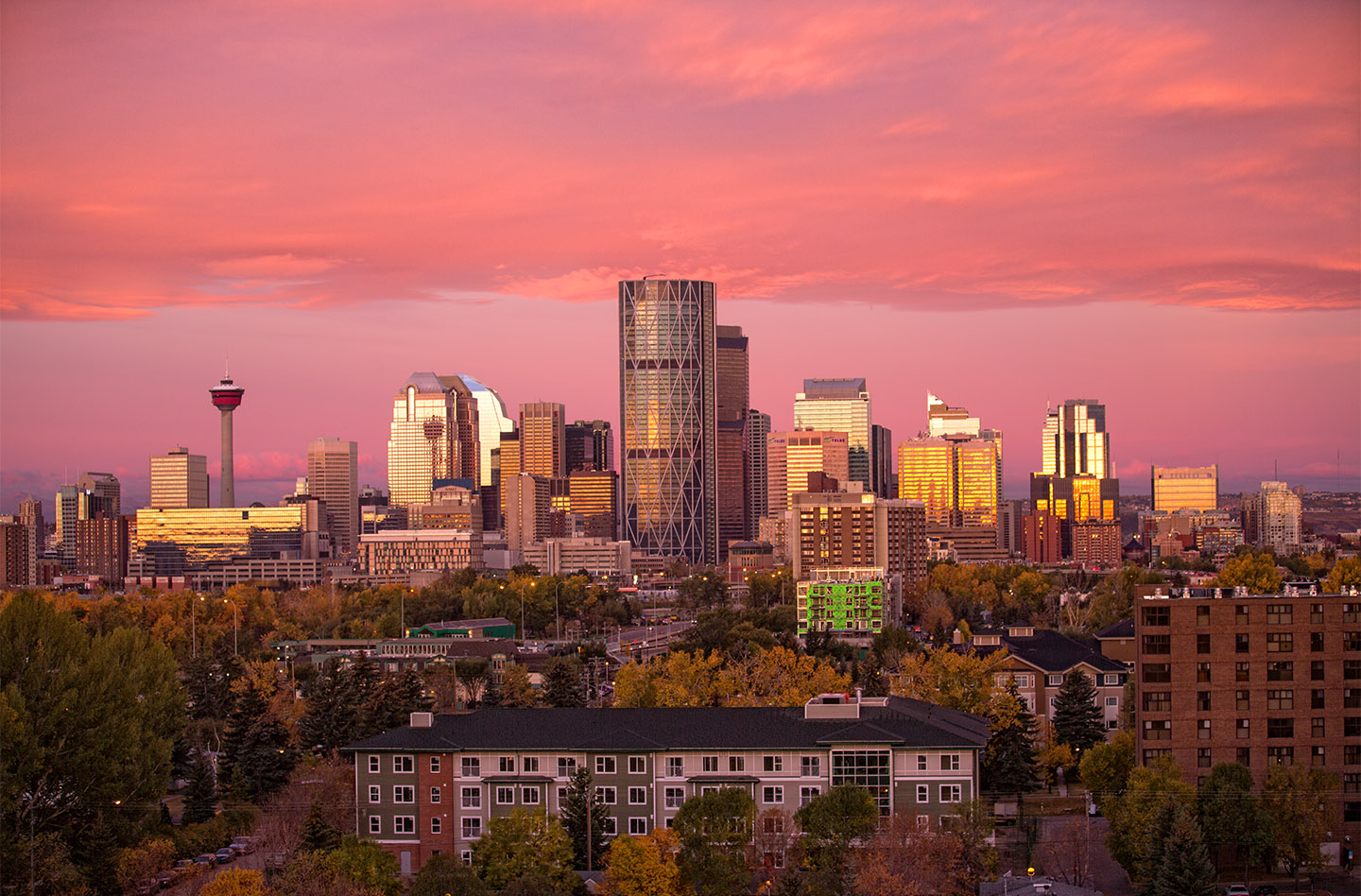
At Image Calgary, that planning mindset is part of the creative process. The goal is not to produce a gallery that looks impressive in isolation. It is to create visual content with lasting commercial value.
When a brand shoot is built around story, use, and flexibility, the images work harder. They support stronger campaigns, clearer messaging, and a more credible market presence. Start there, and the photography becomes more than content. It becomes part of how your business communicates trust.