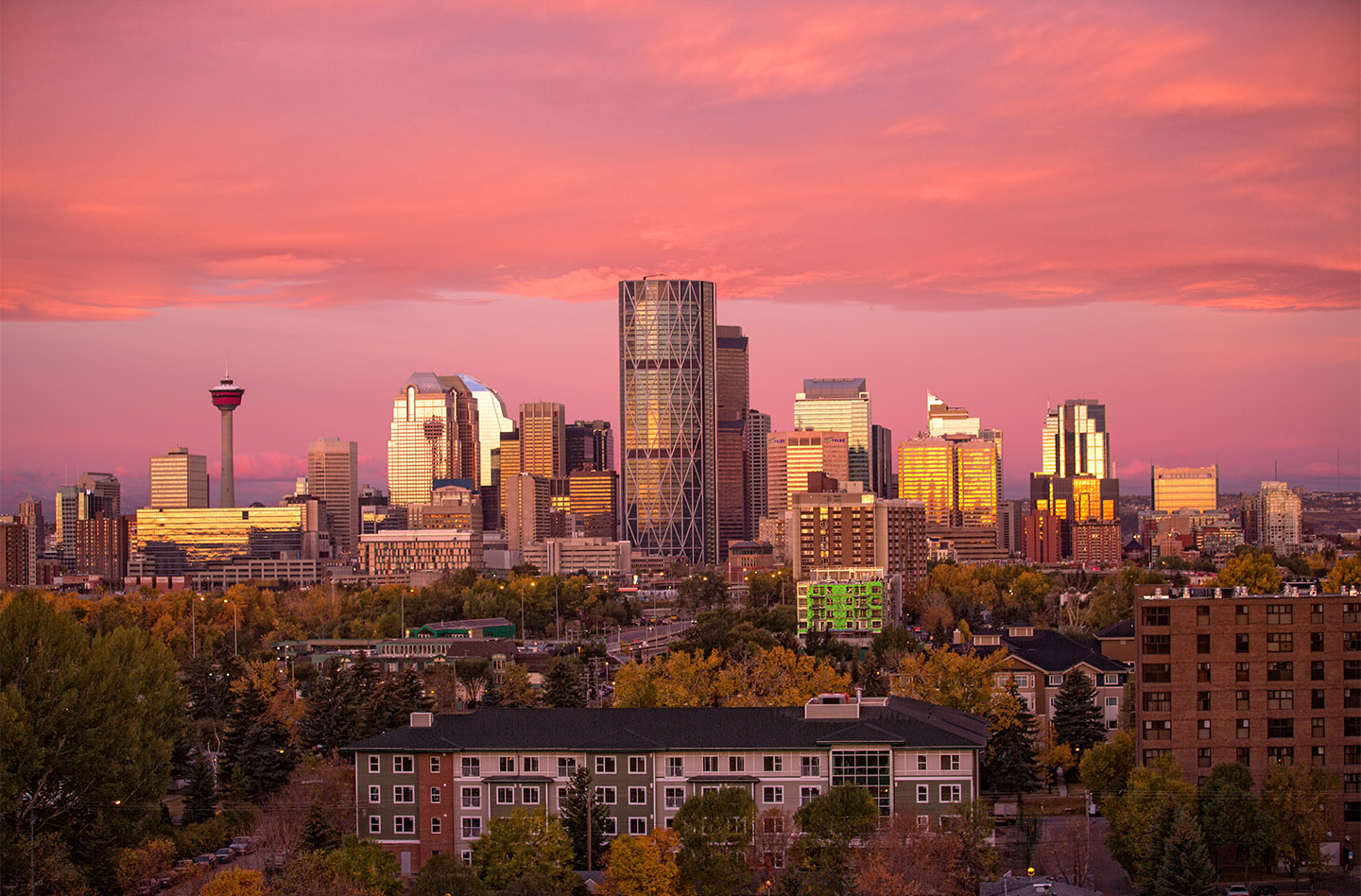

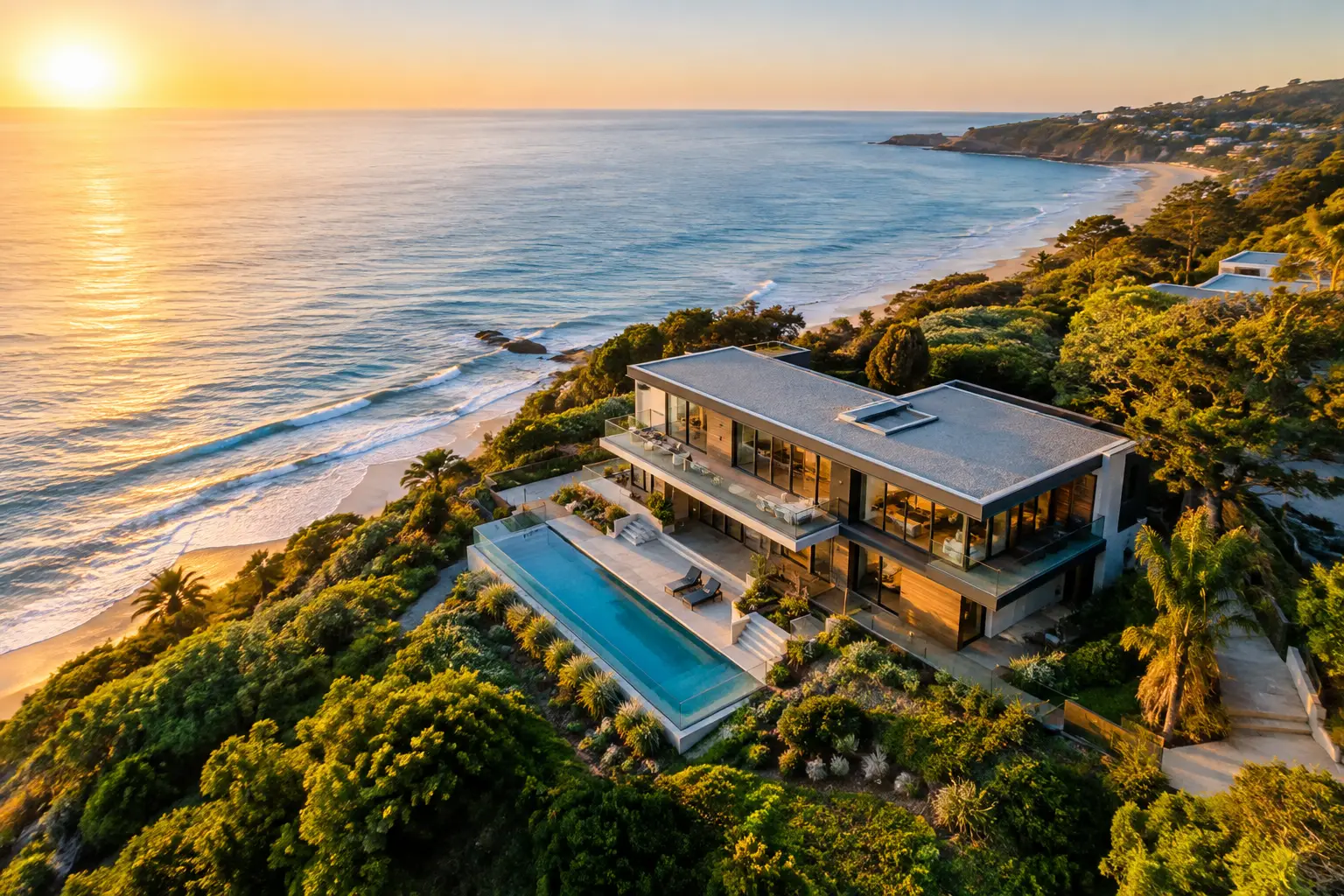
A construction site before sunrise, a hotel property at the edge of the mountains, a distribution center in full motion: aerial photography shows scale and context in a way ground-level imagery cannot. For businesses with places, processes, and people worth seeing, the right overhead image can turn a functional location into a compelling part of the brand story.
This is not simply about putting a drone in the air. Commercial aerial work is a strategic choice about perspective. It gives audiences a clearer sense of where your business operates, how your team works, and what makes your environment distinct. Used thoughtfully, it can make a campaign feel larger, more credible, and more memorable.
Why Aerial Photography Changes the Story
Most brand photography works close to the subject. It captures a leader in conversation, a product on a surface, a chef at work, or a technician in the field. Those details create familiarity and trust. Aerial imagery adds the wider frame.
For an industrial company, that wider frame may show the complexity of a facility, the reach of a project, or the precision of an operation. For a developer or real estate organization, it can establish location, access, nearby amenities, and the relationship between a property and its surroundings. Hospitality, tourism, and recreation brands can use an elevated view to create immediate desire: a destination looks more inviting when its setting is part of the image.
The strongest aerial photographs do more than document size. They use line, light, geometry, color, and movement to create an image with visual authority. A pattern of equipment, a winding road, a field of rooflines, or a team working within a large site can become a graphic statement about the business behind it.
That distinction matters. A high viewpoint is not automatically a strong brand asset. The image needs to feel intentional, not merely different.
Where Aerial Photography Delivers Business Value
Aerial photography is especially useful when a business needs to communicate scale, location, progress, or experience quickly. It can support a broad range of commercial uses without feeling repetitive, provided the shoot is planned around the final applications.
A single production may supply hero images for a website, wide-format visuals for trade show displays, campaign content, annual report imagery, editorial submissions, social assets, and internal communications. The value comes from building a focused library rather than creating one isolated image for one immediate need.
For construction, engineering, and industrial organizations, aerial coverage can document milestones while producing polished marketing visuals. The same image set can support project updates for stakeholders and help future clients understand the scope of work the company can deliver.
For corporate brands, aerial imagery can put headquarters, campuses, warehouses, or service areas into context. This is useful when the physical footprint is part of the promise. A logistics company may want to demonstrate reach and organization. An agricultural business may want to show the landscape behind its product. A community-focused organization may want to show its relationship to the region it serves.
For restaurants, hotels, venues, and destination businesses, an overhead view can establish atmosphere before a guest arrives. The trade-off is that aerial visuals should not replace the warmth of close-up lifestyle, food, interior, or portrait photography. They work best as part of a balanced visual system: the wide view establishes the scene, while closer images make the experience feel personal.
Planning an Aerial Shoot Around Your Brand
The best aerial results are decided well before takeoff. Collaboration is the key to creativity because the photographer needs to understand what the images must communicate, where they will live, and what the audience should feel when they see them.
Start with the business question. Are you trying to demonstrate operational scale, launch a new development, attract visitors, show project progress, or refresh a website with more distinctive visuals? Each objective calls for a different approach to timing, composition, and shot selection.
A facility photographed at midday may be clear and informative, but it can also look flat. Early morning or late afternoon often creates longer shadows, richer color, and more depth. That may be the right choice for a brand campaign. On the other hand, if the priority is documenting activity on a busy site, scheduling around active operations may matter more than chasing ideal light.
Season is equally important. A property surrounded by greenery tells a different story than the same property under snow. Neither is inherently better. The right condition depends on your brand, market, and the message the image needs to carry. Planning should also account for site access, safety procedures, vehicle movement, visible signage, and any areas that should remain out of frame.
It helps to define a shot list, but not one that is so rigid it prevents opportunity. A useful commercial brief identifies the essential views: the main exterior, the surrounding context, work in progress, key infrastructure, and details of visual interest. It also leaves room for unexpected compositions that emerge once the site is viewed from above.
Think Beyond the Hero Shot
A dramatic wide image has obvious value, but an effective aerial library needs variation. Some frames should show the full site. Others should focus on patterns, intersections, equipment, landscaping, or a small human element that gives the scene a sense of scale.
This variety makes the work more useful across formats. A panoramic view may suit a website banner, while a vertical composition may be built for social content or a magazine layout. Images with clear negative space can accommodate headlines and campaign copy. Tighter abstract frames may support visual identity work without looking like standard location photography.
When aerial photography is planned alongside ground photography, the final collection feels more complete. The viewer can see the full environment, then move closer to the people and details that make it meaningful.
Safety, Permissions, and Professional Judgment
Commercial aerial work carries responsibilities that should never be treated as an afterthought. Airspace restrictions, local requirements, weather, proximity to people, and the nature of the property all affect what can be captured safely and legally.
Some locations offer straightforward conditions. Others require more coordination due to nearby airports, dense urban areas, critical infrastructure, active worksites, or restricted airspace. A professional process includes assessing the location in advance, securing required authorizations, and making decisions that protect people, property, and the production schedule.
Weather is another practical factor. Wind can limit flight options, while haze, smoke, rain, and low cloud can affect both safety and image quality. A flexible production plan is valuable because a rushed flight in poor conditions rarely produces images that serve the brand well.
There is also a privacy and perception consideration. Employees, customers, and neighbors should not feel that photography is intrusive or careless. Clear on-site communication and respectful operation help ensure that the shoot reflects the professionalism the final images are meant to convey.
Choosing the Right Visual Direction
Not every aerial assignment should look cinematic. Sometimes the most effective image is clean, direct, and informational. Other times, a more dramatic perspective can give a campaign its visual center. The right direction depends on where the brand sits between precision and emotion.
An engineering firm may prioritize clarity, order, and evidence of capability. A resort may prioritize atmosphere, landscape, and aspiration. A developer may need both: practical context for buyers and a sense of possibility for prospective investors. Understanding your brand story is the first step to deciding how much visual drama serves the work.
Post-production should reinforce that direction. Consistent color, natural detail, and considered cropping help aerial images sit comfortably beside the rest of your photography. Overprocessed skies or extreme effects can date quickly and distract from the subject. The goal is a polished image with enough impact to stop attention, while remaining credible to the audience you want to reach.
Make the View Work Harder
Aerial photography earns its place in a commercial image library when it gives your audience a perspective they cannot get otherwise. It can establish scale in seconds, make a location more meaningful, and turn everyday operations into a powerful visual expression of capability.
At Image Calgary, the most effective aerial projects begin with a clear understanding of the client’s message, audience, and intended use. When the visual strategy is set before the flight, every angle has a purpose – and every finished image has a stronger role to play in the brand story.
Before scheduling your next shoot, ask one useful question: what would your audience understand about your business if they could see the whole picture?