

A prospective customer lands on your website, scans your team page, reviews a case study, and looks for evidence that you can deliver. If the photos feel inconsistent, generic, or years out of date, the question is not whether they notice. It is whether they trust what they see. Brand photography services give businesses control over that first impression by turning their people, products, environments, and work into a visual story with purpose.
The best commercial imagery does more than fill a website layout. It signals capability, culture, scale, and attention to detail before a sales conversation begins. For a restaurant, that may mean photographs that make a signature dish feel immediately desirable. For an industrial company, it may mean showing real operations, skilled people, and safety-conscious processes with clarity. For a professional service firm, it may mean portraits and workplace imagery that make expertise feel personal and credible.
Why Brand Photography Is a Business Asset
Stock photography has a role. It can support a quick presentation, an article, or a concept that cannot be photographed directly. But it cannot show how your team works, what your facility looks like, or why your customers choose you. When every competitor can license the same image, it does little to make a brand distinct.
Original photography creates visual ownership. It gives marketing teams a library of images that belongs to the business and reflects its actual identity. That matters across the channels where trust is built: websites, proposals, social campaigns, annual reports, recruitment materials, editorial placements, trade show displays, and internal communications.
Consistency is equally valuable. A strong visual library helps a brand maintain the same level of quality from a homepage banner to a sales deck. Rather than relying on a collection of disconnected assets gathered over several years, organizations can create a coordinated body of work with a recognizable point of view.
The commercial return is not always measured by a single click or conversion. Brand imagery contributes to the larger decision-making process. It can help attract better-fit applicants, support premium pricing, make a campaign easier to recognize, and give a sales team stronger proof of the work behind the promise.
What Brand Photography Services Should Capture
A useful photography program begins with the question, “What does your audience need to see to believe in your brand?” The answer is rarely limited to a headshot session or a few product images. It often includes several kinds of visual content, planned to work together.
Your people and culture
Customers want to know who stands behind a business. Natural, well-directed environmental portraits can present leadership and staff with confidence while avoiding the stiff, overly formal look that often weakens corporate photography. Candid team moments, collaboration, training, and client interactions can also show a culture more convincingly than a paragraph of brand language.
Authenticity does not mean leaving everything to chance. It means photographing real people in real contexts, with thoughtful direction, appropriate styling, and a clear understanding of what the images need to communicate.
Your work and working environment
Operations photography is especially valuable for companies whose value is difficult to explain in a short sentence. Manufacturing lines, construction sites, laboratories, warehouses, hospitality spaces, and field teams can all demonstrate depth of expertise when photographed with care.
This work requires more than technical camera skills. A photographer must understand site access, safety requirements, workflow, available light, and the moments that best communicate precision and scale. In industrial settings, the images also need to respect the reality of the work rather than creating a polished but unconvincing version of it.
Your products, food, and details
Products need different treatment depending on how they will be used. An ecommerce image may require clean, consistent lighting and a precise view of features. A campaign image may call for creative set design, lifestyle context, or a more cinematic approach. Food and drink photography must balance appetite appeal with accuracy, particularly when a menu item is part of a customer’s buying decision.
The goal is not to apply one visual style to every subject. It is to create images that feel like they come from the same brand while giving each service, product, or environment the treatment it needs.
Your point of view
Aerial photography, architectural details, creative motion, and lifestyle scenes can add perspective to a visual library. These images are often the ones that give campaigns energy and provide art directors with flexible options for layouts. They should still serve a clear purpose. An aerial image is valuable when it establishes location, scale, or a complex operation, not simply because it looks impressive.
A Better Process for Brand Photography Projects
Collaboration is the key to creativity. The strongest results come from a process that brings marketing objectives and photographic expertise together before the first frame is captured.
Start by identifying the business need. Is the priority a website refresh, a recruiting campaign, a product launch, a new location, or a broader brand repositioning? Each objective affects the subject matter, styling, shot list, and final image formats. A brand preparing for a redesigned website may need wide horizontal compositions with room for copy, while a social-first campaign may need vertical images and a greater range of close details.
Next, define the visual direction. This conversation should cover the feeling you want the work to create, the audience you need to reach, existing brand guidelines, and the level of polish that fits your market. Some brands benefit from bright, energetic imagery. Others need a more restrained, editorial approach. Neither is automatically better. The right direction depends on the story being told and the expectations of the people receiving it.
Pre-production is where efficiency is won. A clear schedule, location review, talent plan, product preparation, wardrobe guidance, and shot priorities reduce uncertainty on shoot day. It also helps teams protect time for the images that matter most. If a production schedule is tight, it is better to capture fewer essential scenes well than rush through a long list of loosely defined ideas.
During the shoot, direction matters. Most employees and business owners are not professional models, and they do not need to be. An experienced commercial photographer creates a calm, organized environment, gives practical guidance, and knows when a moment needs to feel composed versus spontaneous.
Afterward, image selection and post-production should preserve the direction established at the outset. Retouching can refine distractions, balance color, and create a cohesive finish, but it should not erase the character of the people or place being photographed. Credibility depends on recognizable reality.
How to Choose Brand Photography Services
When comparing photographers, look beyond a portfolio’s most dramatic individual image. Ask whether the work shows range across people, products, locations, and challenging conditions. More importantly, ask whether the photographer can create a consistent set of images for a real business need.
A good creative partner will ask detailed questions about your audience, marketing plan, and intended usage. They will also understand the practical demands of commercial production, including permits, safety protocols, art direction, scheduling, talent coordination, and deliverables. This is particularly relevant for multi-location projects, active industrial sites, and campaigns that require photographs in several formats.
Budget should be considered in terms of useful output, not just the number of hours on set. A well-planned shoot can generate a versatile library for months or years of marketing use. That said, a larger production is not always necessary. A focused session with clear priorities may be the right choice for a new service page, a leadership update, or a targeted campaign.
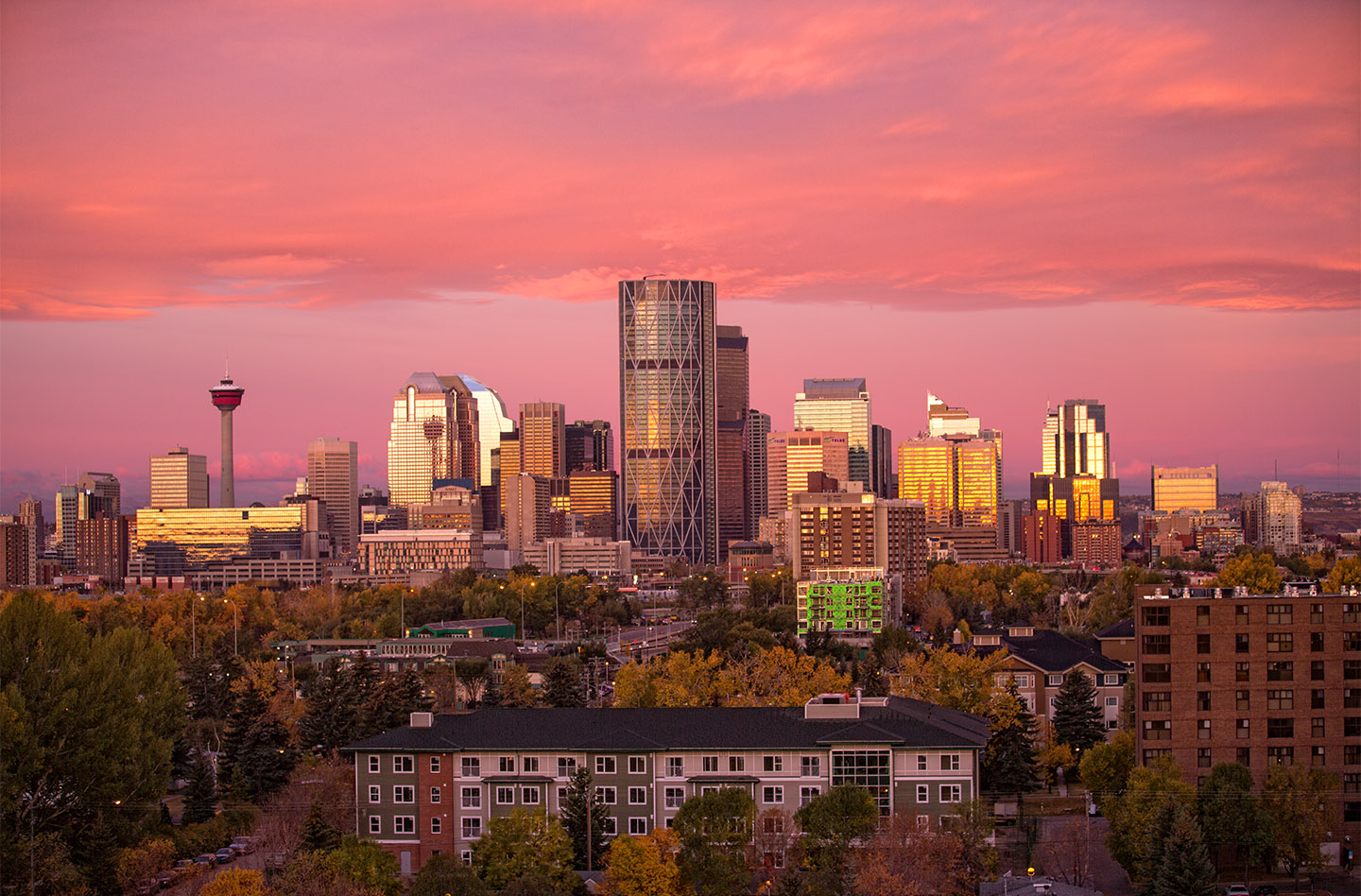
Image Calgary approaches this work as a partnership, combining commercial experience with a close understanding of what each brand needs its images to accomplish.
Build a Library, Not a One-Time Gallery
The most effective brand photography is planned as an evolving asset, not a one-time event. Businesses change. Teams grow, spaces improve, products launch, and customer expectations shift. A photography library should be reviewed regularly so the public-facing image of the company continues to reflect the company itself.
Begin with the story your customers need to see next, then build the production around that priority. When the imagery is honest, intentional, and made for the channels where decisions happen, it gives your brand something far more useful than attractive pictures: visible proof of who you are and the standard you bring to your work.