
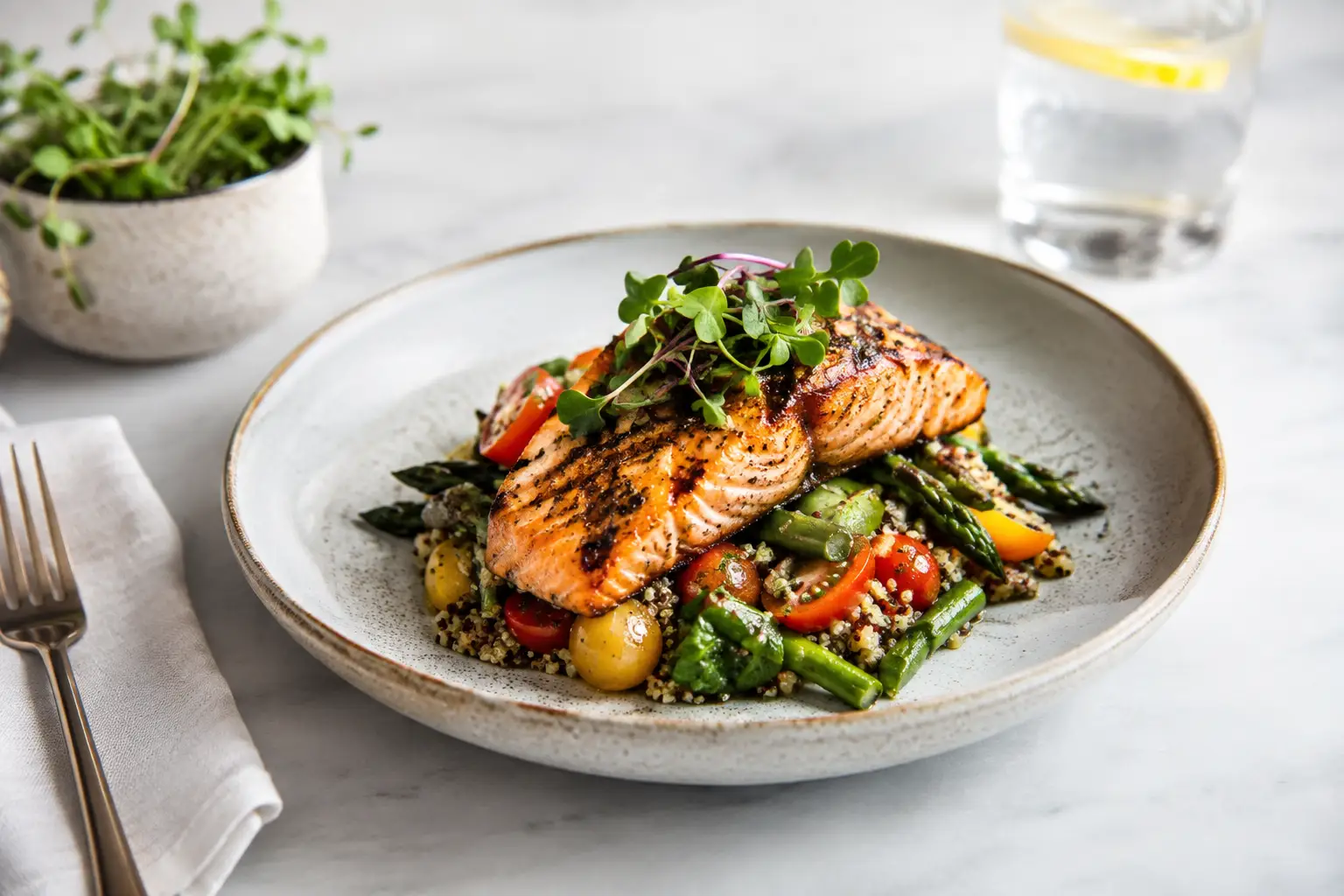
A guest has already made a decision before they read the description. They see the gloss on a burger bun, the texture of handmade pasta, or the char on a perfectly cooked steak, and they can picture the experience. Effective restaurant menu photography services turn that split-second reaction into an order while giving your brand a visual identity guests recognize.
For restaurant operators, hospitality groups, and marketing teams, food photography is not decorative content. It is a sales asset that works across the menu, online ordering platforms, social campaigns, advertising, media coverage, and in-restaurant materials. The right image makes the food feel worth choosing. The wrong one can make even a strong dish look ordinary.
Why Restaurant Menu Photography Services Matter
Menu photography must balance appetite appeal with accuracy. A beautifully styled plate may attract attention, but if it does not reflect what arrives at the table, it creates a gap between the promise and the guest experience. That gap costs trust.
The strongest images make a dish look its best while staying true to the restaurant’s portions, ingredients, presentation, and point of view. A fine-dining restaurant may need restrained, editorial imagery that communicates craft and atmosphere. A fast-casual concept may need bright, energetic photography that makes customization and value instantly clear. Neither approach is inherently better. The visual direction has to match the brand, the audience, and the place where the image will appear.
This is why menu photography deserves more thought than a quick shoot during service. It is part of how a restaurant positions itself in a competitive market. When every dish image shares a consistent approach to lighting, color, composition, and styling, the menu reads as a complete brand experience rather than a collection of disconnected plates.
Food Images Shape Ordering Behavior
Digital ordering has made food imagery even more consequential. Guests often scroll quickly, compare options visually, and choose familiar-looking dishes when a menu is crowded. A clear hero image can give a signature item the attention it deserves, while well-organized category photography can make an extensive menu easier to navigate.
Not every dish needs a photograph. Overloading a menu with images can make it feel cluttered and lower the perceived value of more premium offerings. The smarter approach is to identify the dishes that drive first orders, carry the highest margin, define the restaurant, or need stronger visibility. Photography then supports a deliberate sales strategy rather than simply documenting every item.
The Difference Between a Good Food Photo and a Useful One
A food image can be attractive and still fail commercially. Perhaps it looks compelling in a large social post but loses detail in a small ordering-platform thumbnail. Perhaps its moody lighting fits a magazine feature but makes ingredients difficult to identify on a printed menu. A commercially useful image is created with its final use in mind.
That means considering crop flexibility, negative space for copy, vertical and horizontal formats, and the visual requirements of third-party delivery platforms. It also means creating images that can live beyond the menu. A carefully planned restaurant photography session can provide assets for seasonal promotions, catering pages, loyalty programs, press releases, paid ads, and hiring materials.
The most efficient productions produce a visual library, not just a folder of individual dishes. That library gives a restaurant’s marketing team options without forcing every campaign to start from scratch.
Lighting Creates Appetite and Brand Character
Lighting is one of the clearest signals of quality in food photography. It shapes color, texture, freshness, and mood. Soft directional light can reveal the steam from a bowl of ramen and the layered texture of a pastry. Clean, bright lighting can make a fresh salad feel crisp and accessible. Richer contrast may suit a steakhouse, cocktail bar, or late-night concept.
The goal is not to apply one signature style to every restaurant. It is to build a lighting approach that makes the menu look credible and appealing while supporting the personality of the brand. A photographer who understands commercial food work will also account for practical realities: reflective glassware, melting ice, sauces that lose their shine, and dishes that have only minutes to look their best.
Styling Should Support, Not Distract
Props, linens, surfaces, and garnishes can add context, but they should never compete with the food. The plate is the hero. A thoughtful styling plan brings consistency to the frame and makes ingredients feel intentional, whether the setting is a casual counter-service restaurant or an elevated dining room.
Restraint is often what gives an image longevity. Trends can be useful references, but a visual direction built entirely around a short-lived social aesthetic may feel dated before the next menu refresh. Brand-led photography holds up because it begins with the restaurant’s own character.
What a Strategic Shoot Looks Like
The best results begin before the first plate is prepared. Collaboration is the key to creativity, particularly when a restaurant has a busy kitchen, multiple decision-makers, and a large menu. A clear pre-production process protects the creative standard while making shoot day more efficient.
Start by defining the purpose of the images. Is the restaurant launching a new concept, updating an online ordering experience, refreshing a printed menu, or building a campaign around a seasonal offering? Each goal changes the shot list. A launch may require architecture, interiors, cocktails, staff portraits, and detail shots alongside food. A delivery-focused refresh may prioritize clean, consistent menu images with specific crops.
A useful planning conversation should establish the visual references, desired mood, priority dishes, styling requirements, and production schedule. It should also identify what must be photographed fresh and what can be prepared in advance. Kitchen timing matters. Some dishes hold beautifully, while others must move from the pass to the set immediately.
During the shoot, a strong team works closely with chefs and restaurant staff to preserve the integrity of the food. The photographer manages light, framing, and technical consistency. The chef or kitchen lead ensures the dish represents the standard guests should expect. Marketing or ownership confirms that the work stays aligned with the brand. Each perspective matters, and decisions move faster when responsibilities are clear.
Choosing Restaurant Menu Photography Services
When evaluating a photography partner, look beyond a portfolio of attractive dishes. Ask whether the work demonstrates consistency across a full menu, an understanding of restaurant operations, and the ability to create assets for multiple channels. A single dramatic image is easy to admire. A cohesive collection of 30 or 60 dishes is a more demanding commercial assignment.
Experience with brand photography also matters. Food does not exist in isolation. Your restaurant’s interior, service style, packaging, team, and neighborhood all influence perception. Images of a chef at work, a full dining room, a cocktail being finished, or a takeout order ready for pickup can extend the menu story and make the brand feel more complete.
Budget should be discussed in terms of scope and intended value, not only the number of final images. A focused half-day session may be right for a small seasonal update. A new restaurant opening may need a larger production with food styling, multiple sets, talent, and a detailed usage plan. It depends on the business objective, but cutting planning time usually creates more expense and compromise later.
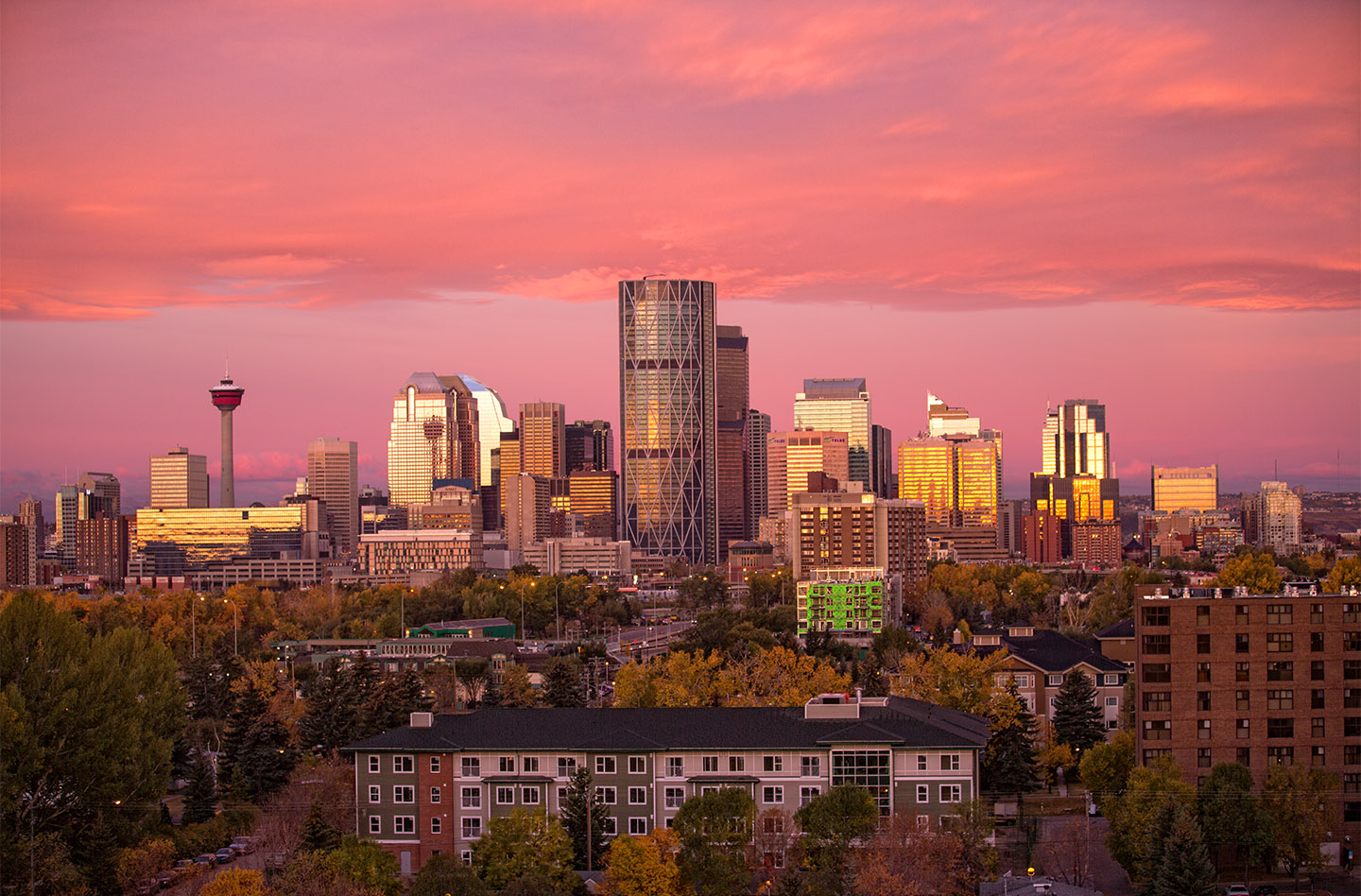
Image Calgary approaches restaurant photography as a collaborative commercial production, built around the food, the people behind it, and the story guests should feel before they walk through the door.
Keep Your Visual System Current
Menus change. So do guest expectations, seasonal ingredients, packaging, and the platforms where people discover restaurants. Photography should be treated as a living part of the marketing system rather than a one-time project completed at opening.
A practical cadence might include a foundational menu library, seasonal updates for new dishes and drinks, and occasional lifestyle sessions that capture the evolving energy of the restaurant. This approach keeps the brand current without requiring a full-scale production every few months.
The most valuable restaurant images do more than show what is on the plate. They make the choice feel easy, reinforce what the restaurant stands for, and give guests something they want to share before they have taken their first bite.