

A company updates its website, launches a campaign, or prepares a sales deck, and the same question usually follows: what does commercial photography include? The short answer is this – any professional photography created to support a business goal. The more useful answer is broader. Commercial photography can include brand imagery, product photos, team portraits, lifestyle scenes, food and drink visuals, industrial documentation, architectural work, and campaign assets designed for marketing, editorial, advertising, and communications.
That range is exactly why businesses often need more than a photographer with technical skill. They need a creative partner who can translate a brand story into images that feel consistent, persuasive, and commercially effective.
What does commercial photography include in practice?
Commercial photography is not one narrow service. It is a category of business-focused image making, and the best work is shaped by how the images will be used. A photo meant for a restaurant menu has a different job than one built for a recruitment campaign or an annual report.
In practice, commercial photography often includes a mix of visual needs across one project. A manufacturer might need executive portraits, production-floor imagery, aerial views of the facility, and detail shots of equipment. A hospitality brand may need interior photography, staff portraits, food photography, and lifestyle scenes that show the guest experience. A professional services firm may need polished headshots, office imagery, and brand visuals that make the business feel credible and approachable.
The common thread is purpose. These images are created to help a business attract attention, build trust, explain value, and support sales or communication goals.
Core categories of commercial photography
Brand and lifestyle photography
Brand photography gives a business visual identity beyond logos and design. It shows how a company feels in the real world – how people work, how clients are welcomed, how products are used, and what the brand stands for.
Lifestyle photography often overlaps here. Instead of static or overly staged images, lifestyle work places people, products, or services in believable situations. For brands that want to feel human and relatable, this style can be especially effective. It helps audiences picture themselves in the experience, which is often more persuasive than a straightforward product shot alone.
Corporate portraits and team photography
People want to know who they are doing business with. That makes portraits one of the most practical forms of commercial photography. This can include executive headshots, staff portraits, leadership team images, environmental portraits, and team photos created for websites, proposals, media kits, and internal communications.
The difference between a basic headshot session and strategic portrait photography is intent. Strong commercial portraits align with the brand. A law firm may need polished and formal imagery. A creative agency may want a more relaxed, modern approach. Neither is automatically right. It depends on how the business wants to be perceived.
Product photography
Product photography is one of the clearest examples of commercial photography because the business purpose is direct. These images are designed to sell, explain, or elevate a product.
That can mean clean e-commerce photography on white backgrounds, styled product scenes for advertising, detailed close-ups that highlight craftsmanship, or in-use imagery that gives products context. A simple catalog image and a campaign image can feature the same product, but they do very different work. One prioritizes accuracy and consistency. The other creates desire and brand appeal.
Food and drink photography
For restaurants, breweries, cafes, hotels, and consumer brands, food and drink photography plays a major role in customer response. Good imagery does more than make a dish look appealing. It communicates quality, atmosphere, freshness, and brand character.
This category can include menu photography, social media content, advertising visuals, chef portraits, restaurant interiors, cocktail imagery, and behind-the-scenes kitchen storytelling. The strongest food photography balances appetite appeal with brand positioning. A luxury dining room and a fast-casual concept should not look the same.
Industrial and manufacturing photography
Industrial photography is a specialized area within commercial photography and one that often requires more planning, safety awareness, and environmental adaptability. It can include facilities, machinery, production lines, warehouse operations, logistics, energy sites, construction progress, and workforce imagery.
These images often serve several functions at once. They may be used for marketing, investor relations, recruiting, corporate reporting, and trade publications. They also help businesses show scale, expertise, process, and operational credibility. In sectors where trust is earned through capability, these visuals matter.
Architecture, interiors, and spaces
Commercial photography often includes the spaces where a brand lives. Offices, retail stores, hospitality environments, industrial facilities, and commercial properties all shape perception.
Interior and architectural photography can support leasing, design portfolios, hospitality marketing, corporate branding, and editorial features. The challenge is not just making a space look attractive. It is showing how that space functions and what it says about the business. Clean lines and good lighting help, but context matters just as much.
Aerial photography
Aerial imagery is increasingly part of commercial photography for industries that need scale and location context. Real estate developers, construction firms, industrial companies, tourism organizations, and large commercial properties often benefit from drone photography.
An aerial perspective can show operational footprint, project progress, surrounding geography, and site access in a way ground-level images cannot. It is not necessary for every project, but when location is part of the story, it can be a strong addition.
What commercial photography is used for
One reason businesses ask what does commercial photography include is because they are really asking where these images fit. The answer is usually: across nearly every public-facing and internal brand touchpoint.
Commercial photography is used on websites, social media, ad campaigns, brochures, pitch decks, annual reports, press releases, signage, packaging, recruitment materials, presentations, and editorial placements. It may also be used in trade show graphics, investor communications, training materials, and employer branding.
That wide usage is why consistency matters. If each image feels like it came from a different brand, the overall message weakens. A strong photography project creates a usable image library, not just a handful of nice shots.
What is usually included in a commercial photography project?
The photography itself is only one part of the service. A professional commercial project often includes concept development, shot planning, scheduling, location scouting, creative direction, styling guidance, lighting design, production coordination, image selection, and retouching.
Some projects are simple and efficient. Others involve multiple locations, talent, props, brand guidelines, and cross-channel deliverables. Neither approach is better by default. The right scope depends on the business objective, timeline, and where the images need to perform.
This is where collaboration becomes valuable. When the photographer understands how marketing, brand perception, and audience response connect, the final images tend to work harder for the business.
What commercial photography does not always include
Not every business needs every category. That is an important distinction. A company may hear the term commercial photography and assume it means a large advertising production. Sometimes it does. Often it does not.
A smaller business may only need a clean set of team portraits, workplace images, and a few branded lifestyle photos for a website refresh. A larger organization may need a full visual library covering operations, leadership, products, locations, and campaign-specific assets. The term is broad because business needs are broad.
There are also trade-offs. Highly styled campaign photography can create strong visual impact, but it may require more time and budget. Documentary-style brand imagery can feel authentic and efficient, but it may offer less visual control. The right balance depends on the brand, the audience, and the intended use.
How to tell what your business needs
A useful starting point is to ask three questions: what story needs to be told, where will the images be used, and what action should they support?
If the goal is trust, portraits and workplace imagery may lead the project. If the goal is selling physical goods, product photography likely becomes the priority. If the business depends on experience, as in hospitality or tourism, lifestyle and environmental images may matter most. If operations are a key differentiator, industrial or aerial photography may be essential.
The most effective commercial photography plans are built around those real business needs rather than around a generic shot list.
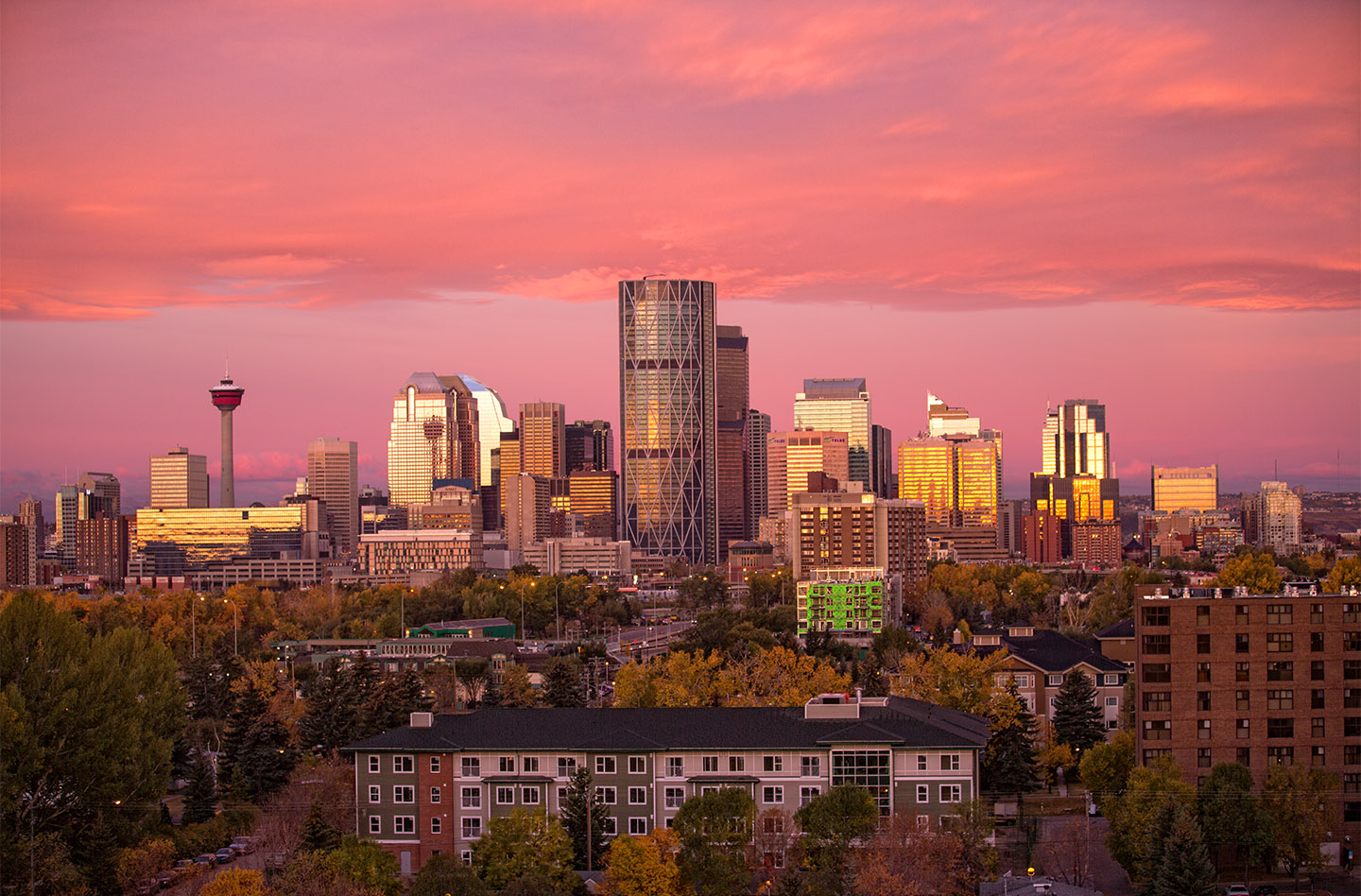
At Image Calgary, that brand-first approach is central to the work. Understanding your brand story is the first step to creating images that feel intentional, distinctive, and useful across every channel where your business shows up.
Commercial photography includes more than photos for promotion. It includes the visual proof of who your business is, how it works, and why people should trust it. When those images are built with strategy as well as style, they do more than fill space – they help move the business forward.