

A website with polished copy and generic stock photos sends a mixed message. The words say your business is distinct. The visuals say anyone could have written the check. That gap is exactly why custom brand imagery for businesses has become a practical brand decision, not just a creative one.
For marketing leaders, business owners, and communications teams, imagery does more than fill space on a homepage or brochure. It shapes first impressions, supports credibility, and gives people a reason to believe your brand is real, capable, and consistent. When the photography is built around your people, products, spaces, and process, it becomes an asset that works across campaigns, sales materials, recruiting, editorial placements, and internal communications.
Why custom brand imagery for businesses matters
Most organizations are not struggling because they have no visuals. They are struggling because their visuals do not say the right thing. A library of disconnected headshots, dated office photos, and a few stock images may technically cover the need for content, but it rarely supports a strong market position.
Custom brand imagery gives a business control over how it is seen. It shows your actual team rather than a generic version of one. It reflects the character of your workspace, the quality of your operation, and the details that make your service believable. That matters in professional services, hospitality, industrial sectors, retail, food and drink, and corporate environments alike.
There is also a commercial reason this matters. Buyers often make judgments before they ever speak with your team. They assess whether your brand feels current, organized, credible, and worth their attention. Strong photography helps answer those questions quickly. Weak photography creates friction.
What custom brand imagery should communicate
The best brand photography does not start with a camera. It starts with clarity. Before a shoot is planned, a business needs to understand what the imagery should communicate and where it will be used.
In some cases, the goal is trust. A law firm, engineering company, or medical practice may need imagery that feels polished, human, and credible without becoming stiff. In other cases, the priority is energy and atmosphere. A restaurant, consumer brand, or lifestyle company may need visuals that create appetite, movement, and emotional pull.
Industrial and B2B companies often have a different challenge. They need to show scale, process, safety, expertise, and infrastructure in a way that feels impressive but still grounded in reality. That requires a thoughtful balance. Images should feel elevated, but never staged to the point that they lose authenticity.
Your people
Your team is often one of the strongest brand signals you have. Not every business needs casual, highly candid imagery. Not every business needs formal portraits either. It depends on how your audience expects to experience your brand. The right approach might include executive portraits, team interactions, on-site working scenes, or a combination of all three.
Your environment
Where your business operates tells part of the story. Offices, production floors, kitchens, retail spaces, warehouses, and field locations all communicate something about your standards and capabilities. When photographed well, these environments become proof points.
Your product or service in action
A polished product shot has one job. Brand imagery usually has several. It may need to sell quality, explain use, suggest scale, or help customers picture themselves in the experience. Service-based companies need this too. Showing the work in action often makes an intangible offer feel concrete.
The difference between attractive photos and strategic imagery
A business can invest in beautiful photography and still come away with a weak result. That usually happens when the work is guided only by aesthetics and not by brand positioning.
Strategic imagery is built around use. It considers how photos will perform on websites, ad campaigns, pitch decks, social channels, recruitment pages, annual reports, packaging, menus, signage, and PR materials. It also considers consistency. A single strong image is useful. A cohesive image library is far more valuable.
This is where collaboration matters. A thoughtful photography partner looks beyond the shot list and asks sharper questions. What does your audience need to feel? Which parts of the business are underrepresented in your current materials? Where do prospects drop off in the buying process? What visuals could help close the gap?
That strategic layer is often what separates a pleasant photo session from a business asset with long-term value.
Building a visual library that actually gets used
One of the most common frustrations for marketing teams is paying for a shoot and ending up with a small set of images that work in only one place. The better approach is to plan for range from the start.
A strong library typically includes a mix of wide environmental scenes, medium interaction shots, close-up details, portraits, vertical and horizontal compositions, and negative-space images that leave room for copy or design treatments. That variety gives teams flexibility. It also helps maintain visual consistency across channels without making every asset feel repetitive.
There is a trade-off here. Trying to capture everything in one shoot can dilute quality and focus. On the other hand, shooting too narrowly may limit future use. The right balance depends on the size of the brand, the number of departments involved, and how often content needs to be refreshed.
For many businesses, it makes sense to prioritize evergreen imagery first. Start with the visuals that define the brand most clearly, then build out campaign-specific or seasonal content later.
How custom brand imagery for businesses supports growth
Good imagery does not replace good strategy, but it does make strategy easier to execute. It gives teams the visual confidence to show up consistently and professionally wherever the brand appears.
That might mean a stronger website that reflects the real quality of the business. It might mean sales materials that feel more credible in competitive pitches. It might mean better recruitment content because prospective hires can actually see the culture and workplace. For hospitality and food brands, it can mean more immediate customer response because the visuals create appetite and atmosphere before a guest ever walks in.
For companies in technical or industrial sectors, custom imagery can be especially valuable. These businesses often have strong operations and weak visual storytelling. When facilities, equipment, fieldwork, and personnel are photographed with care, the brand begins to reflect the sophistication that already exists behind the scenes.
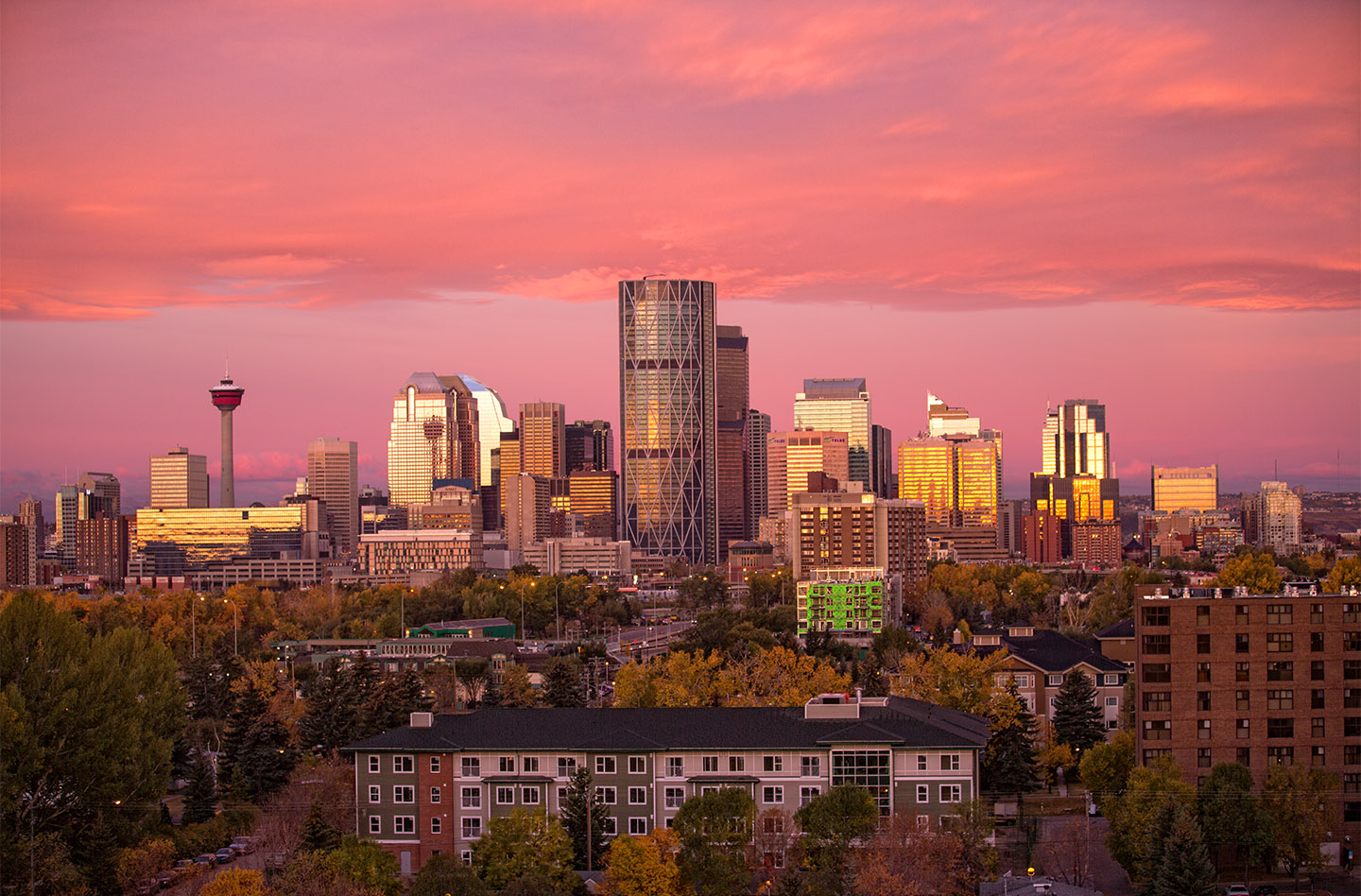
Image Calgary often works in exactly this space, where a business has substance but needs imagery that communicates it clearly.
What to expect from the process
The strongest photography projects are not built on guesswork. They begin with discovery. That means understanding the brand story, the audience, the practical use cases, and the visual tone the business wants to own.
From there, planning becomes much more effective. Locations, styling, lighting, timing, talent, and shot priorities all connect back to a clear purpose. This is especially important for multi-use commercial projects where efficiency matters just as much as creative quality.
On shoot day, the experience should feel organized and collaborative. People need enough structure to stay on track, but enough flexibility to capture moments that feel natural. Over-directing can flatten a scene. Under-directing can waste time and leave teams with inconsistent results.
Post-production matters too. Editing is where the final set is refined for consistency in tone, color, polish, and usability. This is not about making the business look artificial. It is about presenting the brand at its best while keeping the work believable.
When it is time to update your imagery
Many companies wait too long. They know their visuals are dated, but because they still look acceptable, the issue gets pushed down the list. By the time it feels urgent, the brand has already been undersold for months or years.
If your business has changed significantly, your imagery should probably change too. Growth, rebranding, a new leadership team, a new location, updated packaging, renovated interiors, expanded services, or a stronger digital marketing push are all good reasons to revisit your visual library.
Sometimes the signal is simpler. If your team avoids using certain photos because they feel old, generic, or off-brand, that is already your answer.
Custom brand imagery for businesses works best when it reflects the company as it exists now and as it wants to be seen next. The right images do not just document what you do. They help shape the way people value it. When the visuals are grounded in your story, your team, and your environment, they stop being filler and start doing real brand work.
A strong business deserves to look as strong as it is.